
Understanding Repetitive Behaviours in Children with SEN
By ChildWize ·
Why Repetitive Behaviours Matter: Supporting Your Child with SEN
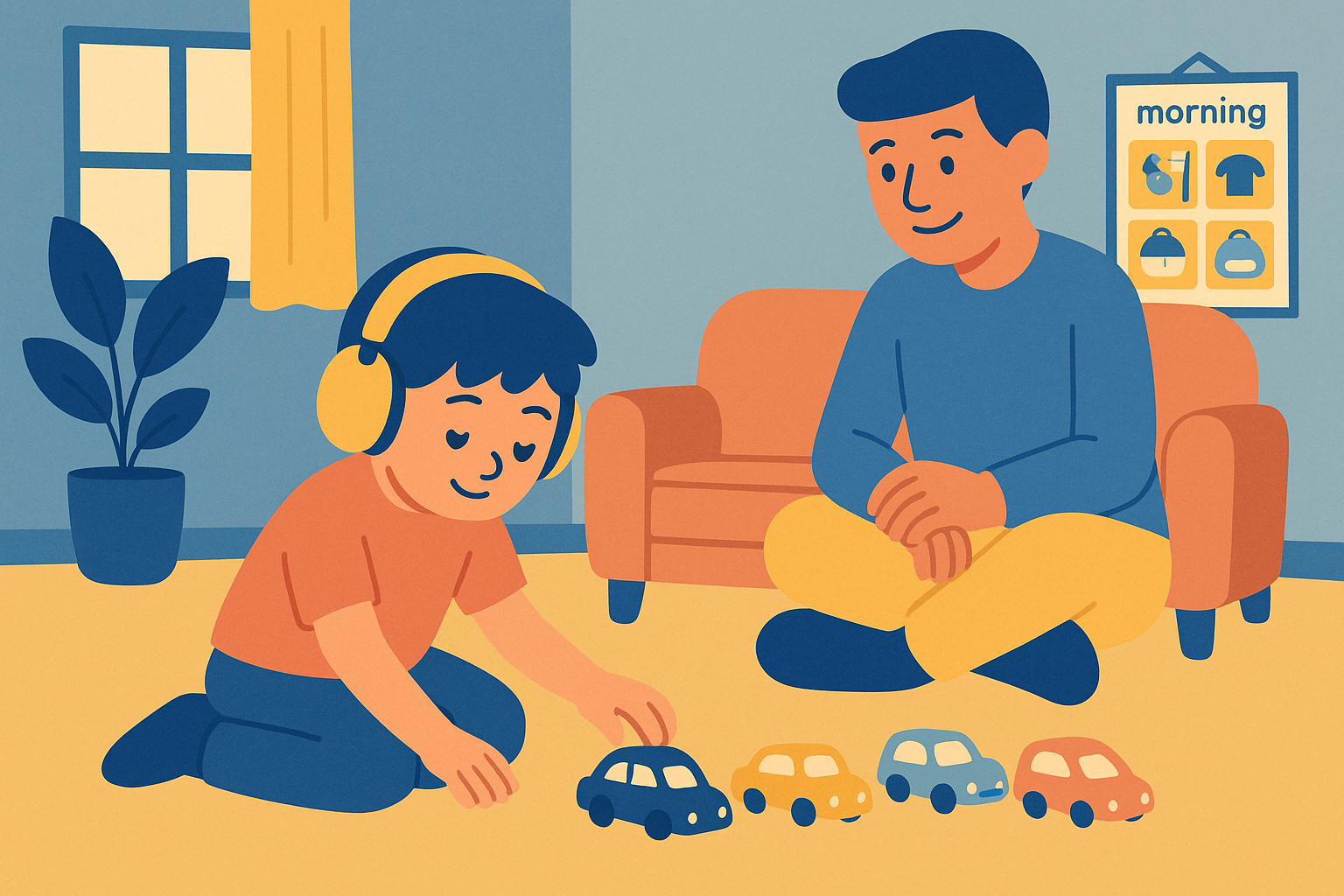
Have you noticed your child watching the same cartoon repeatedly, or playing with a favourite toy over and over again? Repetitive behaviours like these are common among children with Special Educational Needs (SEN), and they may leave you wondering if it’s something to be concerned about. But what may seem like 'doing the same thing' again and again is often much more. For many children with SEN—including those who are autistic or have Attention Deficit Hyperactivity Disorder (ADHD)—repetition provides comfort, structure, and a powerful way to learn. As a parent or carer, learning to appreciate these behaviours is a great first step in supporting your child’s development.Why Does My Child Repeat the Same Activities?
Children with SEN often seek out familiar patterns. Playing the same game or watching a favourite video repeatedly isn’t just a habit—it’s a way of making sense of the world. Neurologically, this kind of repetition can support ‘statistical learning’: the brain's natural way of identifying and understanding patterns. This can help children focus, build memory, and even create the foundation for more complex learning. Understanding this doesn’t mean ignoring concerns. But recognising that repetitive behaviours often have a deeper purpose can help you feel more confident in how you respond to them—and help your child feel seen and accepted.How Repetition Helps Emotional Regulation
The world can be unpredictable for all children—but especially for those with SEN. Repetitive behaviours can offer emotional reassurance. Familiar routines and activities help children manage anxiety, especially when the outside world feels confusing or overwhelming. In some cases, repetition becomes a strategy for emotional regulation: your child’s way of restoring balance and control. For example, turning to the same book or app at bedtime might be your child’s way of calming down before sleep. Or re-enacting a familiar scene could help them process emotions or social interactions they’ve experienced during the day.Every Child Is Different
It’s important to remember that children with SEN are as diverse as any other group. Some may fixate on trains, dinosaurs, or numbers; others may repeat phrases, movements, or routines. These focused interests aren’t something to 'fix'—they’re something to understand. Rather than trying to change the behaviour, try tuning in. What does your child get out of the repetition? Is it joy, calm, mastery, or perhaps predictability? When you start observing with curiosity rather than concern, you begin to better support your child's emotional and developmental needs.When Repetition Gets in the Way
While repetition has many benefits, there are times when it might interfere with daily life. If a particular activity prevents your child from engaging in physical play, trying new things, or forming relationships, you may want to gently encourage a bit more variety. You don’t need to eliminate the repeated behaviour—instead, consider expanding on it. For instance, if your child loves playing with building blocks the same way each time, try introducing a new building challenge together. If they watch the same scene repeatedly, talk about what’s happening in the story or suggest acting it out. If you’re feeling stuck, connecting with a child development professional can help. They can offer tailored advice so you can support your child more effectively—and without losing what brings them joy and comfort.Practical Tips for UK Families
You don’t have to tackle this on your own. Here are a few idea-starters for supporting your child in a healthy balance of repetition and growth:- Learn whether your family is entitled to support schemes like the Carer’s Allowance or Disability Living Allowance, which may ease financial pressures.
How ChildWize Can Help You Connect with Support
When your child’s development feels like a puzzle and waiting lists stretch on, knowing where to turn next can be overwhelming. That’s where ChildWize comes in. We’re a UK-based platform that helps families connect with qualified child development specialists—especially when NHS services are delayed. You can ask questions or book appointments with professionals who understand SEN. Whether you need insights into your child’s repetitive behaviours or simply want someone to listen, ChildWize makes it easier to find the right support. Visit www.childwize.co.uk to explore how we might help you move forward. You're never alone. With the right tools and understanding, every repetitive beat can be part of a beautifully unique rhythm—your child's way of growing, exploring, and thriving.Related Services
Behavioural Support
If your child's behaviour is causing concern at home or school, our specialists help you understand what is driving it and how to respond.
Learn more →Educational & SEND Support
Navigating the SEND system can be overwhelming. Our specialists help you understand your child's rights and get the support they need at school.
Learn more →Family Therapy & Parent Coaching
Family life can be stressful when a child is struggling. Our therapists help the whole family communicate better and build stronger relationships.
Learn more →