
Tantrums vs. Meltdowns: Guide for UK SEN Parents
By ChildWize ·
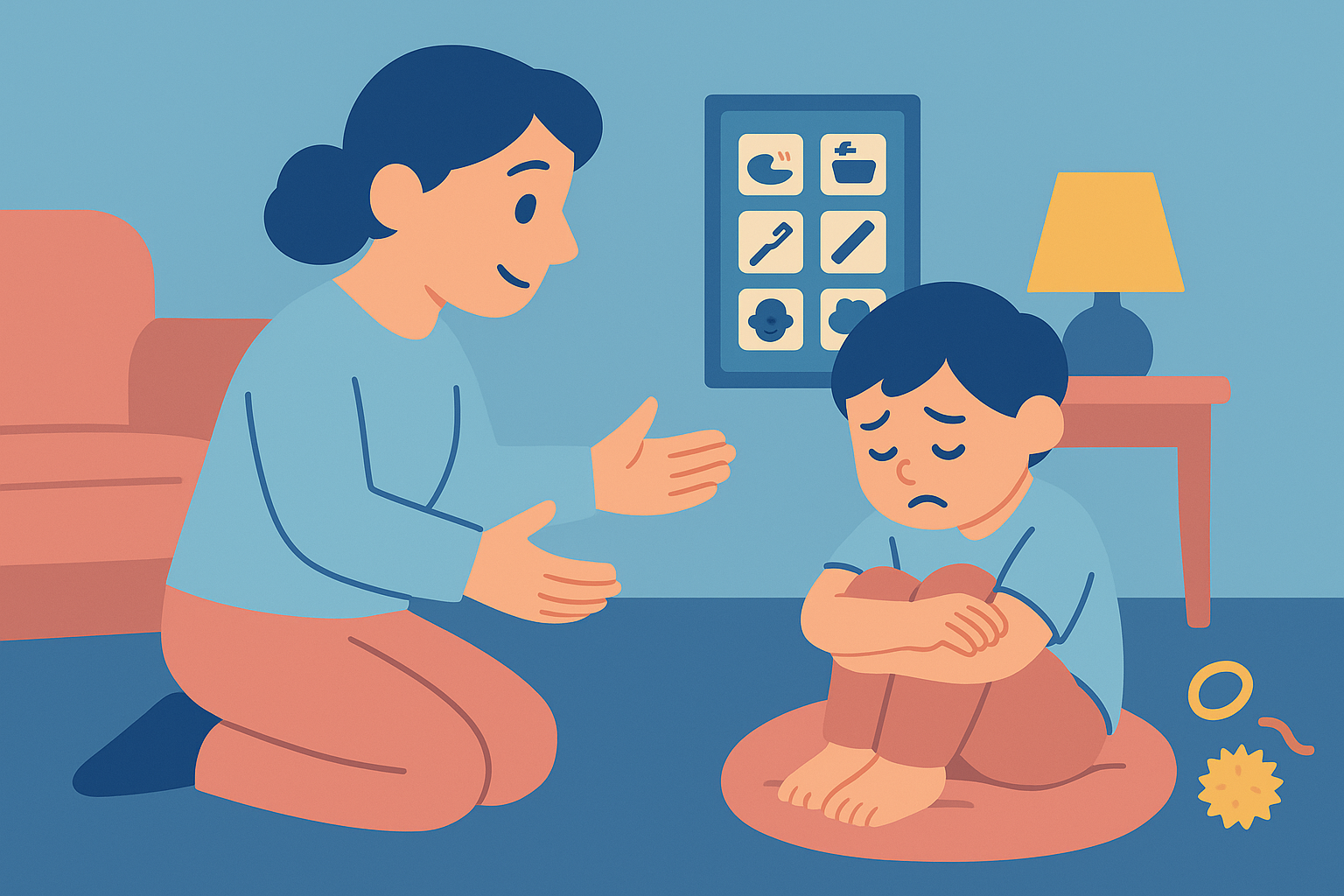
Tantrums vs. Meltdowns: A Practical Parenting Guide for UK Families with SEN Children
As parents of children with special educational needs (SEN), navigating emotional outbursts can feel overwhelming—especially when you’re unsure whether it’s a tantrum or a meltdown. Understanding the difference helps you respond with both compassion and confidence. This guide offers insights that are rooted in everyday challenges faced by UK parents, including those waiting for support through the NHS.What’s the Difference Between a Tantrum and a Meltdown?
While they can look similar on the surface, tantrums and meltdowns usually come from very different places. A tantrum is typically a behavioural response—think of it as your child expressing frustration over not getting what they want. In contrast, a meltdown is often a response to sensory or emotional overload, common among children with autism, ADHD, or other developmental needs. Understanding which one your child is experiencing can make all the difference. Noticing what happened before the outburst—were they told “no” or were they in a loud, overstimulating place?—can offer clues. Responding starts with recognising these unique emotional triggers.How to Support Your Child During an Outburst
When emotions are running high, staying calm yourself can help set the tone. Try grounding yourself with a deep breath and a quick count to five before responding. Speak gently but firmly, using language like: "I see you're upset. I’m here with you." Consistency helps too—especially when working alongside teaching assistants, Special Educational Needs Coordinators (SENCOs), or other caregivers. Whether it’s a tantrum or a meltdown, showing your child that you're a safe base during distress builds long-term emotional trust.Easing the Frequency of Tantrums and Meltdowns
Although you can’t avoid every emotional moment, consistent routines, sensory-friendly environments, and positive reinforcement can reduce how often they happen. You might notice fewer meltdowns when school routines are predictable or hectic transitions are softened. Celebrating calm moments—even small ones—can help strengthen emotional regulation over time. That might mean acknowledging when your child takes a deep breath instead of shouting, or when they use a visual aid to communicate instead of crying. These tiny wins matter.Looking After Yourself Too
Supporting a child with additional needs often means putting their emotional needs first—but yours matter, too. Whether you're managing long NHS wait lists, researching blue badge eligibility, or applying for a carers allowance, the pressure can mount quickly. Remember, it’s okay to step back, take ten minutes alone, or ask for help. Whether that’s through specialist appointments or just chatting with someone who understands, you don’t have to do this alone.How ChildWize Can Help
At ChildWize, we know the journey of parenting a child with SEN is filled with complex emotions and big questions. That’s why our platform exists—to connect parents with trusted professionals who can offer tailored support when the usual routes feel out of reach. If you're facing long NHS wait times or unsure where to turn for supportive strategies, ChildWize can help you connect with someone who truly understands. Visit www.childwize.co.uk to explore how we can help you connect with experienced specialists ready to support your child’s development and emotional health.Final Thoughts
You’re not alone in managing these tough moments. Many parents across the UK are facing similar situations. And while there may not always be quick fixes, the right support can make all the difference. Trust your instincts, care for yourself, and know that support—real, professional support—is out there. Through ChildWize, you're just a step away from someone who gets it. Let’s take that step together.Related Services
Behavioural Support
If your child's behaviour is causing concern at home or school, our specialists help you understand what is driving it and how to respond.
Learn more →Educational & SEND Support
Navigating the SEND system can be overwhelming. Our specialists help you understand your child's rights and get the support they need at school.
Learn more →Family Therapy & Parent Coaching
Family life can be stressful when a child is struggling. Our therapists help the whole family communicate better and build stronger relationships.
Learn more →