
Supporting SEN Children's Wellbeing During UK Holidays
By ChildWize ·
Supporting Emotional Wellbeing of Children with SEN During UK School Holidays: Practical Ideas for Parents
Navigating the school holidays can bring unique challenges for families of children with Special Educational Needs (SEN). When routines shift and support systems pause, parents often find themselves balancing emotional wellbeing, engagement, and calm—all while managing their own stress and NHS wait list frustrations. Whether your child has an Education, Health and Care Plan (EHCP) or you're waiting to speak with a specialist through the NHS, these holiday weeks can feel daunting. But you’re not alone. Let’s explore supportive ideas to help nurture emotional wellbeing in children with SEN over the school break—practical moments of connection, calm, and creativity that support the whole family.Finding Connection Through Everyday Conversations
Conversations don’t have to be formal to be meaningful. Try using familiar routines as a space for emotional check-ins. Whether it’s chatting during a walk to the park, winding down after dinner, or exploring a favourite book together, creating space for your child to share helps build trust and self-awareness. Using playful 'conversation starters’ like “What made you smile today?” or “If you could be any animal, what would you be?” can invite expression. Children with SEN often process emotions in unique ways—so keeping things light, structured, and open-ended supports their comfort and confidence.Celebrating Positivity and Everyday Gratitude
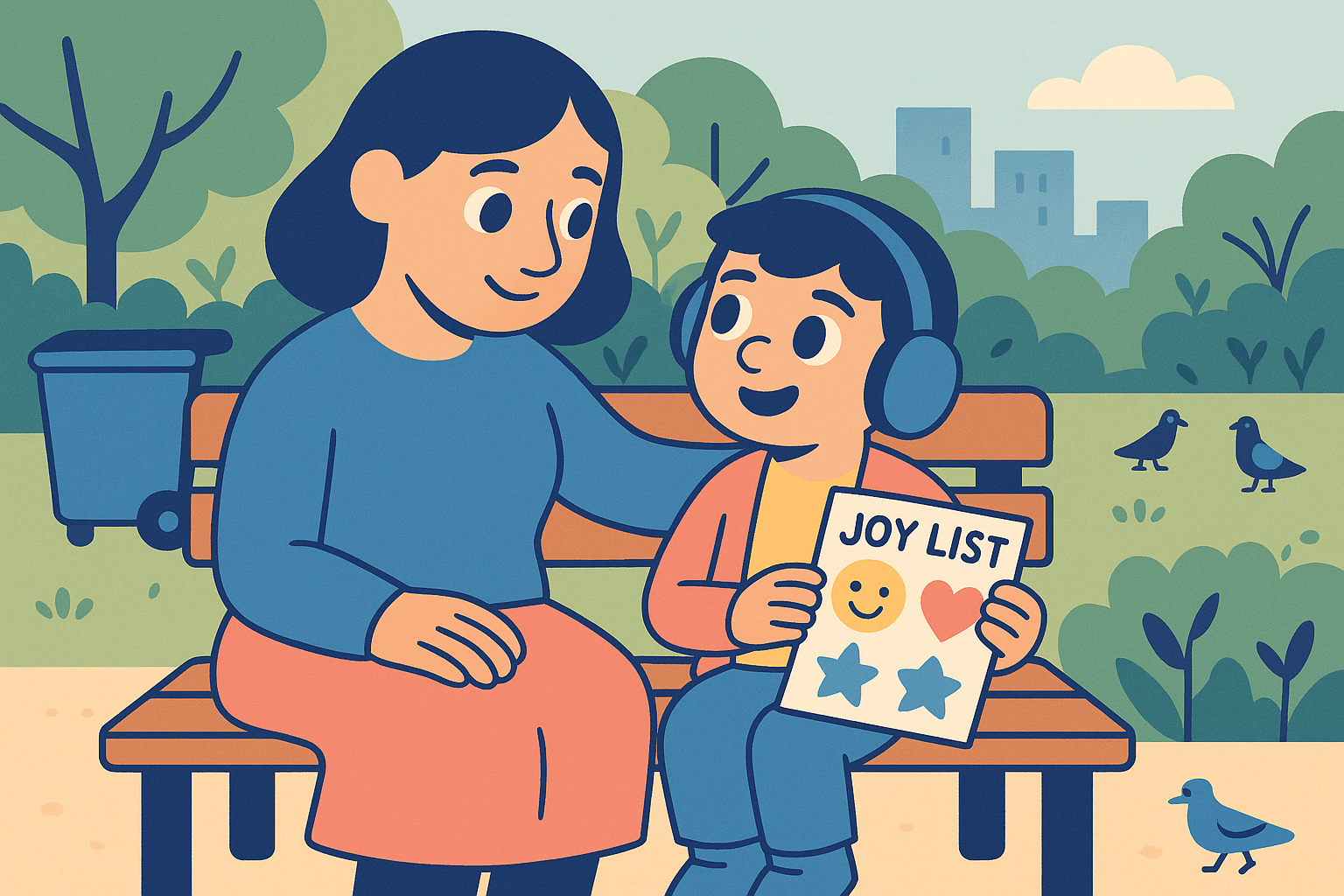
Shifting focus to the positives—big or small—helps nurture emotional resilience. You might start a "joy drawing" where your child doodles something that made them happy that day, or verbally share three ‘good things’ before bed. It’s not about ignoring challenges—it’s about creating balance. Noticing these daily moments together can reduce stress and support emotional regulation, particularly during long unstructured stretches like school holidays. Acts of kindness, like sending a card to a grandparent or helping make a sibling smile, also help children feel capable and connected.Nature as a Calming Companion
Even a short walk through the park can offer sensory grounding. Nature supports mental wellbeing, and for children with SEN—especially those with sensory processing differences—it can be a vital part of feeling settled. Try simple outdoor activities like a texture-based scavenger hunt (“Can we find something bumpy, something soft…”), or bring paints to the garden and create natural art using leaves or twigs. Many UK families in cities find calm on doorstep nature trails or planting windowsill herbs—connection to the outdoors doesn’t need to be complicated.Supporting Their Interests (Even if They’re Not Yours)
What lights your child up? From engines to insects, baking to Minecraft—leaning into their passions shows them that their world matters to you. During school holidays, shared hobbies can offer grounding structure. Let your child take the lead on planning a mini project: maybe it’s creating a scrapbook, testing new recipes, or building something from recycled materials. If your child is supported by a Teaching Assistant (TA) or SENCO at school, try echoing some of those interest-led strategies at home—you know them best. By celebrating their interests and setting easy-to-achieve goals, you support emotional confidence—without pressure.Looking After Yourself Too
Many families of SEN children are also carers in some capacity. If you're eligible for carer’s support, do explore options like the Carer’s Allowance—every bit of help can open breathing space. Likewise, if your child has mobility challenges, exploring the Blue Badge scheme during outdoor planning could reduce stress for your family and encourage confidence in outings. When you’re feeling overwhelmed, it's okay to pause. You’re doing more than enough. Emotional wellbeing isn’t about getting everything right—it’s about supporting each other, day by day.Staying Connected to Specialist Support
For many families, ongoing NHS delays can leave you feeling stuck while you seek answers. That’s where ChildWize comes in. While we don’t provide advice directly, we make it easier for you to connect with experienced professionals who understand your child’s specific needs. Whether you're waiting to speak to an Educational Psychologist, looking for EHCP guidance, or want to ask questions directly to a Speech and Language Therapist, ChildWize helps bridge the gap so you feel less alone during school breaks. Visit www.childwize.co.uk to explore how you can connect with qualified specialists today. --- Every school holiday comes with new challenges—but also chances to connect, laugh, and discover what works for your family. Emotional wellbeing isn’t a destination. It’s in the shared meals, nature walks, bedtime stories, and quiet moments. You’re doing your best—and that’s more than enough. To find professional support tailored to your child’s needs, even while navigating NHS wait lists, connect with a specialist today through www.childwize.co.ukRelated Services
Child Psychology
If your child is struggling with their emotions, behaviour, or mental health, our child psychologists provide compassionate, expert support.
Learn more →Educational & SEND Support
Navigating the SEND system can be overwhelming. Our specialists help you understand your child's rights and get the support they need at school.
Learn more →