
Supporting SEN Children's Mental Health During Summer
By ChildWize ·
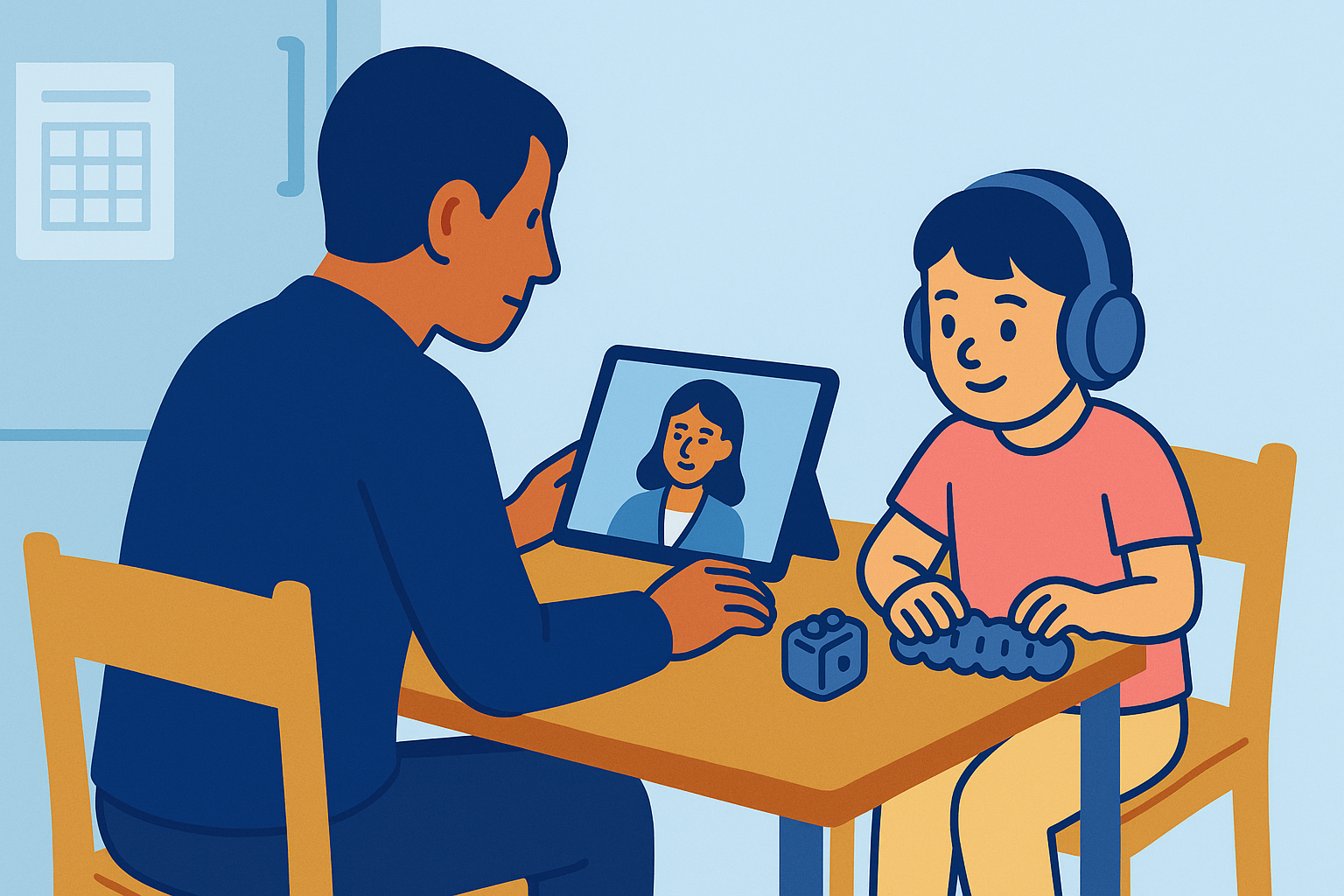
Supporting Your SEN Child’s Mental Health Over Summer: Creating Emotional Safety at Home
As the school year winds down, many parents of children with special educational needs (SEN) feel a mix of relief and concern. The summer break can be a welcome change—but it also brings its own set of challenges, especially for families navigating anxiety, short break transitions, or long NHS wait times. If you're feeling stuck or wondering how to help your child cope during the summer months, you're not alone. This article explores the power of kindness at home and offers gentle, realistic strategies to support your child’s mental health over the summer.Understanding the Summer Transition for SEN Children
For many SEN children—including those with autism, ADHD (Attention Deficit Hyperactivity Disorder), Down syndrome or cerebral palsy—the end of the school term doesn’t simply mark a break. It marks a shift that can bring uncertainty, disrupted routines, and heightened anxiety. Since the pandemic, these transitions have become even harder to manage. Many children are still adjusting socially and emotionally, and parents often feel stretched while waiting for access to support through the NHS or trying to understand educational provisions like an EHCP (Education, Health and Care Plan). An empathetic approach—grounded in small, meaningful acts of kindness—can go a long way in helping your child regulate, feel safe, and grow emotionally stronger during this shift.Kindness as a Tool for Emotional Resilience
Our home environments play a crucial role in how children process change. Creating a space where your child feels seen, safe and accepted lays the foundation for their mental wellbeing. Kindness doesn’t have to be grand. It can be as simple as validating their worries, offering a snuggle during a meltdown, or keeping things calm when they’re dysregulated. These relational anchors help build long-term emotional resilience, especially for children who find transitions stressful. Whether your child is struggling with the disruption of school routines or feeling isolated without their usual support (like a teaching assistant), small moments of attentiveness truly matter.Practical Tips to Support Emotional Safety This Summer
Building a supportive environment doesn’t mean having a perfect plan every day—it means tuning into your child and being flexible. Here are a few realistic strategies that can help: • Keep a predictable rhythm. A soft routine that includes familiar elements like breakfast, outside time, and a regular wind-down period can bring comfort and reduce anxiety during the break. • Make space for feelings. Let your child express their emotions without rushing to fix them. Sometimes, just listening and naming their feelings helps your child make sense of their world. • Prioritise connection through play. Whether it’s imaginative LEGO adventures or a dance party in the kitchen, play allows your child to process things on their terms and feel closer to you at the same time. • Offer gentle choices. Giving your child a sense of control—even if it’s choosing between two snacks or picking a sock colour—can reduce overwhelm and build confidence. • Practise co-regulation. When your child is upset, stay present and calm rather than trying to talk them out of their feelings. Your regulated presence helps them come back to balance. These simple strategies are rooted in empathy and empower you to create the kind of calm space every child deserves, especially during unpredictable times.Navigating the Wait: You're Not Alone
Many UK parents wait months (and sometimes longer) to access child mental health services through the NHS. If you're managing without support—or waiting for your child’s EHCP review—it can feel overwhelming to carry it all on your own. That’s where platforms like ChildWize can play a role. ChildWize helps parents who are stuck on NHS wait lists connect with qualified professionals. Whether you're looking for support around anxiety, emotional wellbeing, or family strategies, ChildWize can facilitate a connection between you and the right specialist.Gentle Strength: Building a Kinder Summer at Home
As summer unfolds, remember this: your presence, your curiosity, and your kindness matter more than any perfectly planned activity. The playful chats on a walk, the laughs when things go a bit wrong, the quiet reassurance after a hard moment—these are the things that build your child's resilience. You don’t have to figure it out alone. At ChildWize, you can connect with professionals who understand SEN transitions and can offer guidance tailored to your child’s unique needs. If you’re facing questions about emotional regulation, changes in behaviour, or mental health concerns—especially during unstructured summer days—you’re not alone. Visit www.childwize.co.uk to explore how ChildWize can help you take the next step toward support. A nurturing summer starts with kindness—toward your child and yourself.Related Services
Child Psychology
If your child is struggling with their emotions, behaviour, or mental health, our child psychologists provide compassionate, expert support.
Learn more →Educational & SEND Support
Navigating the SEND system can be overwhelming. Our specialists help you understand your child's rights and get the support they need at school.
Learn more →Family Therapy & Parent Coaching
Family life can be stressful when a child is struggling. Our therapists help the whole family communicate better and build stronger relationships.
Learn more →