
Supporting Emotionally Dysregulated Children | UK Parenting Tips
By ChildWize ·
Supporting Emotionally Dysregulated Children: Real-World Tips for UK Parents
Parenting a child who struggles with emotional regulation can sometimes feel like you're on an unpredictable ride. The highs and lows can leave both parents and children feeling overwhelmed. As more families seek answers about emotional challenges, it's important to unpack what emotional dysregulation looks like and how you can support your child through it—all while navigating common realities like NHS wait lists and limited school resources. Let’s explore what emotional dysregulation really means for children, how it affects family life, and how you can make small but meaningful changes today.Emotional Dysregulation in Children: Explained for UK Families
When we talk about emotional dysregulation, we're referring to difficulties children have in recognising, expressing, and managing their emotions. These challenges are more than just tantrums or bad moods—they’re often consistent, intense reactions to stress, disappointment, or change. Children might become distressed more easily, struggle to calm down, or react strongly to minor frustrations. This doesn’t mean something is ‘wrong’ with your child. It simply shows they need extra emotional support, which could be linked to temperament, early experiences, or even unmet developmental needs. For some families, these emotional struggles are part of a broader picture that might include Special Educational Needs (SEN), such as those experienced by children with Attention Deficit Hyperactivity Disorder (ADHD) or autism.Why Emotional Expression Matters
Expressing emotions isn't just healthy—it’s essential. Children communicate their inner world through feelings, and learning to express them is a big step in their emotional development. Some children bottle up their emotions, while others let everything out with explosive energy. Either way, learning to identify and voice emotions like frustration, sadness, or excitement helps them build critical skills for relationships, school life, and self-awareness. As a parent or carer, you're often the first safe space they turn to. By showing you’re open to their feelings—however messy or loud—you’re helping them feel heard and accepted.Small Ways Parents Can Support Emotional Regulation
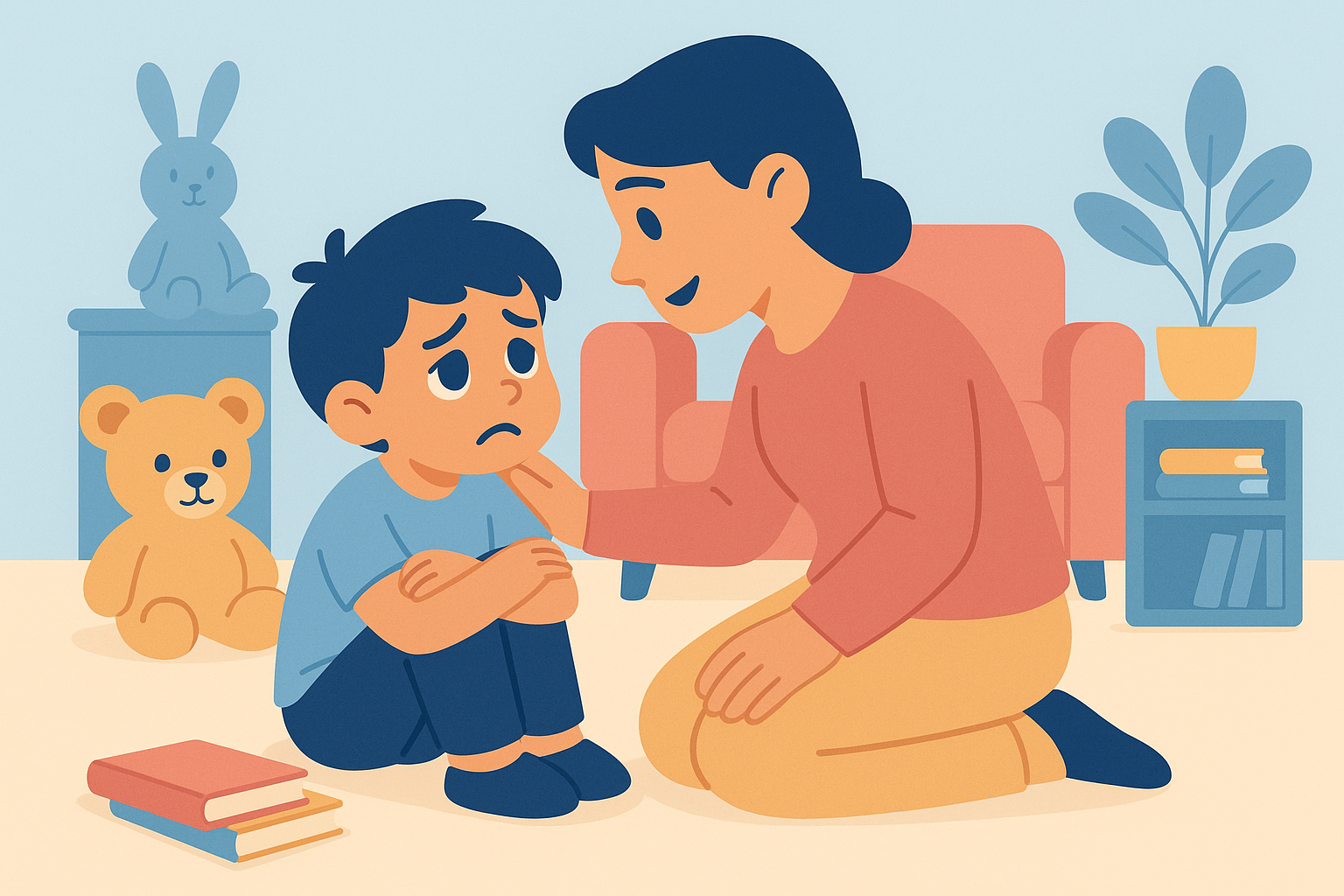
Helping your child regulate their emotions doesn’t require fancy tools or specialist training. Everyday moments offer powerful chances to build connection. Talk with your child about how they feel without interrupting or dismissing. Try phrases like: “That sounds really hard,” or “I can see why you’re upset.” Spend time doing something they enjoy—whether it's reading a book together, building Lego, or going for a walk. Consistent quality time shows your child they matter, even when things feel tough. It’s also OK to show your own emotions. Letting your child see how you manage stress—like taking deep breaths or going for a quiet moment—models healthy coping. For families juggling multiple needs, including learning support or navigating the EHCP (Education, Health and Care Plan) process, keep in mind that emotional support is part of the bigger picture. Parents who are also eligible for carers allowance may already be offering significant daily support.When to Seek Extra Support
Sometimes, emotional dysregulation goes beyond what you can support at home. Maybe your child is struggling in school, has difficulty forming relationships, or seems unhappy more often than not. If you’re concerned, it’s okay to ask for help. This might include speaking to a Special Educational Needs Coordinator (SENCO) at your child’s school, your GP, or connecting with qualified professionals who understand child development in depth. Long waits with NHS services are a common struggle for many UK families, but you don’t have to be stuck. Platforms like ChildWize can help you connect with experienced specialists through appointments or written questions, giving you access to guidance when you need it most.Real-World Tips for Parents Facing Emotional Ups and Downs
Make time each day—no matter how small—to connect with your child. A five-minute chat before bed or a shared snack after school counts. Name feelings aloud to help your child build emotional language: “You seem disappointed we didn’t go to the park.” Stay patient during meltdowns. It’s not about having the perfect response—it’s about staying calm enough so your child feels safe. Talk to your child’s school about what support might be available. Teaching assistants, learning mentors, and classroom strategies can make a big difference. And most importantly, look after yourself. You can’t pour from an empty cup. Whether that’s grabbing 10 quiet minutes while they’re in bed or reaching out to other parents who truly get it, your wellbeing matters too.Connecting Through ChildWize
At ChildWize, we know how challenging it can be when you're worried about your child and the wait lists for help feel endless. That’s why we’re here—to help UK families find trusted, qualified professionals faster. We don’t give direct advice ourselves, but we make it easy for parents to connect with the people who do—so you can ask questions, book appointments, and get support that fits your family’s situation. We’re here for parents who need answers but feel stuck. Visit www.childwize.co.uk to find out how. Remember: you’re not alone. With the right support—and a few simple changes at home—you can help your child feel calmer, safer, and better understood.Related Services
Child Psychology
If your child is struggling with their emotions, behaviour, or mental health, our child psychologists provide compassionate, expert support.
Learn more →Educational & SEND Support
Navigating the SEND system can be overwhelming. Our specialists help you understand your child's rights and get the support they need at school.
Learn more →Family Therapy & Parent Coaching
Family life can be stressful when a child is struggling. Our therapists help the whole family communicate better and build stronger relationships.
Learn more →