
Supporting Children with APD | SEN Help for UK Parents
By ChildWize ·
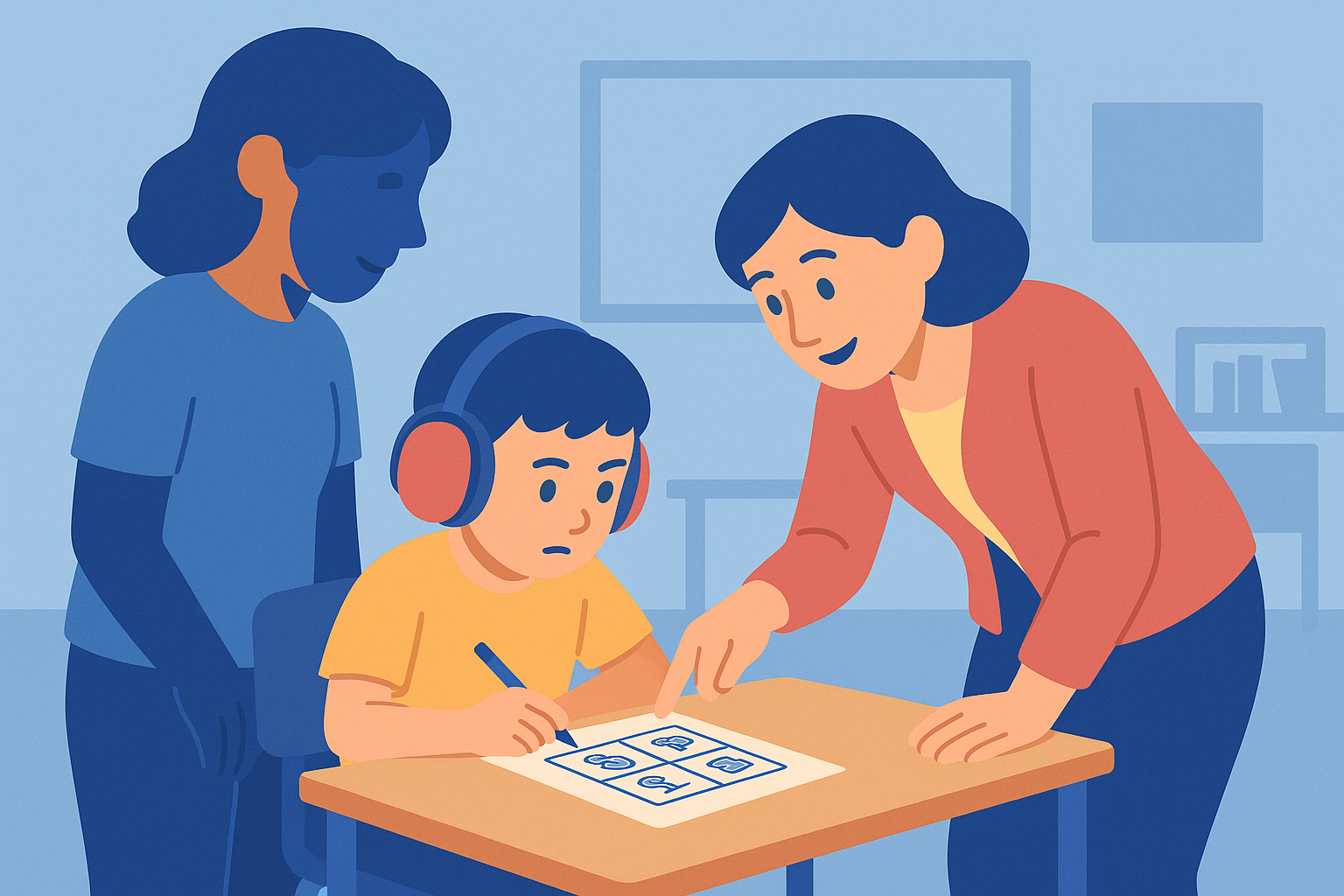
Understanding Auditory Processing Disorder: SEN Support for UK Families
Navigating your child’s learning journey can be both rewarding and overwhelming, especially when things don’t follow the expected path. If your child finds it hard to follow conversations, struggles with noisy environments, or needs instructions repeated more often than other children, they might be experiencing something known as Auditory Processing Disorder (APD). This post explores what APD means, how it can impact learning, and what support options are available for UK families – especially those facing delays in getting help through the NHS.What is Auditory Processing Disorder?
Auditory Processing Disorder affects how the brain interprets sounds. Children with APD often have normal hearing, but they may process what they hear differently. This can make it hard to understand speech clearly – especially in noisy settings, at school, or in fast-paced conversations. While it's not classed as a learning disability, APD can contribute to challenges in reading, memory, focus, and following instructions. It may also occur alongside other conditions like ADHD (Attention Deficit Hyperactivity Disorder), autism spectrum disorder, or dyslexia. Recognising the signs early can help families seek the right kind of support.How APD Affects Learning and Daily Life
In school and social settings, children with APD might:- Become tired or overwhelmed after long listening periods
Getting a Diagnosis in the UK
In the UK, diagnosis is usually carried out through an audiology service, sometimes following a referral from a speech and language therapist or Special Educational Needs Coordinator (SENCO). The assessment can look at your child’s listening skills, working memory, auditory attention, and overall cognitive functioning. Unfortunately, increasing demand means NHS assessments can take time – sometimes many months or even longer. That’s where services like ChildWize can help, by enabling parents to connect with professionals privately while waiting for NHS pathways to progress.How You Can Support Your Child
Supporting a child with APD isn’t about fixing them – it’s about giving them the tools and environment they need to thrive. Here are a few ways you can help at home and through school:- Talk to the school – your SENCO can play a key role in accessing learning support or drawing up an Education, Health and Care Plan (EHCP)
You're Not Alone – Finding Support That Fits
When NHS waiting lists feel endless, it’s easy to feel stuck. At ChildWize, we understand the emotional weight that comes with not having timely answers. Our platform helps UK parents connect with qualified specialists – from speech and language therapists to educational psychologists – so they can access support while still waiting for NHS services. Whether you’re exploring a potential diagnosis for APD, looking into SEN support, or simply wanting to speak to someone who understands what you're going through, connecting with a professional can make a huge difference. 👉 Learn more at [www.childwize.co.uk](http://www.childwize.co.uk) and discover how to book appointments, ask questions, and feel supported.Final Thoughts
Raising a child with Auditory Processing Disorder isn’t always straightforward – but you don’t have to do it alone. With awareness, practical strategies, and access to the right professionals, there’s plenty you can do to help your child feel understood and supported. ChildWize is here to help you cut through the delays and connect with people who care. Together, we can build an environment where every child – no matter how they process the world – has the space to thrive.Related Services
ADHD Assessment & Support
If your child struggles with focus, impulsivity, or restlessness, our specialists can assess and support them without long NHS waits.
Learn more →Educational & SEND Support
Navigating the SEND system can be overwhelming. Our specialists help you understand your child's rights and get the support they need at school.
Learn more →Family Therapy & Parent Coaching
Family life can be stressful when a child is struggling. Our therapists help the whole family communicate better and build stronger relationships.
Learn more →