
Supporting ADHD Children: The Role of Occupational Therapy During Back-to-School Season
By ChildWize ·
Supporting ADHD Children: The Role of Occupational Therapy During Back-to-School Season
Introduction
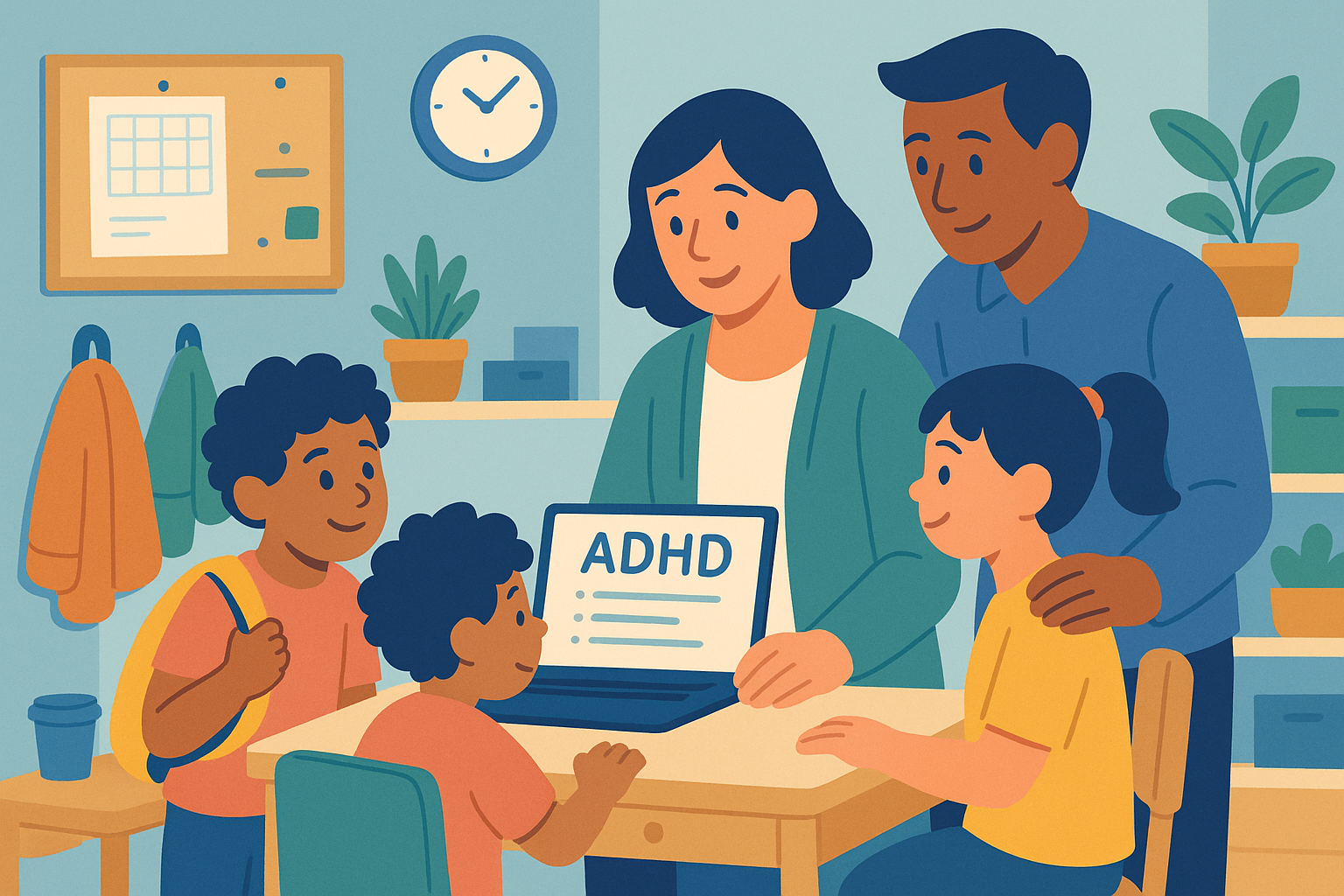
As schools resume and SEN reviews are undertaken, understanding the role of an occupational therapist (OT) in the context of ADHD children becomes ever more critical. Occupational therapists play a pivotal role in developing tailored strategies that foster school readiness and adaptability in children with ADHD, particularly during the back-to-school period. This timing is pivotal as children adjust to new routines, settings, and expectations, which can be challenging for those with ADHD. The expertise of child occupational therapists in providing learning support and facilitating child development is invaluable in these transitions.Why This Matters Now
The back-to-school period is a significant adjustment for all children, but it presents unique challenges for those with ADHD. The role of occupational therapy in supporting these children is crucial as it helps integrate sensory, cognitive, and motor skills development with educational demands. Occupational therapists work closely with special needs schools to create environments that reduce sensory overloads and enhance focus, which are common challenges for ADHD pupils during routine resets.Practical Strategies
Creating Structured Routines
Occupational therapists emphasise the importance of structured routines to support ADHD children, especially during the back-to-school period. Establishing consistent schedules and predictable routines helps minimise anxiety and improve focus. This can involve visual schedules or clear step-by-step guides for daily school activities, tailored by OTs to meet individual needs, thus assisting children in transitioning smoothly into their new school environment.Sensory Integration Techniques
One of the primary strategies occupational therapists employ involves sensory integration techniques tailored to each child’s specific needs. During periods of transition like back-to-school, children with ADHD may experience heightened sensory sensitivities. OTs can provide schools and parents with strategies such as sensory breaks, use of weighted vests, or quiet zones that help these children regulate their sensory input and maintain their concentration on learning tasks.Enhancing Organisational Skills
Occupational therapy also focuses on improving organisational skills, a common area of difficulty for children with ADHD. By introducing tools such as colour-coded binders or digital planners, OTs support children in managing their schoolwork and responsibilities. These practices are particularly beneficial during routine resets and SEN reviews, when children need to adapt to new academic and behavioural expectations.Planning Ahead
Proactive planning with the involvement of an occupational therapist can significantly ease the back-to-school transition for children with ADHD. This can include pre-term visits to the school to familiarise the child with the new settings or meeting with teachers to discuss effective strategies for classroom and homework activities. Establishing a clear plan before school starts can help these children feel more secure and reduce stress.When to Seek Additional Support
It's crucial for teachers and parents to recognise when additional support from an occupational therapist might be needed. Signs that a child is struggling beyond typical adjustment difficulties—such as persistent distress, inability to cope with routine changes, or extreme challenges in following simple instructions—should prompt a review. Consulting with an OT can provide crucial support strategies tailored to the child's specific needs.Moving Forward
Moving forward, regular collaboration between occupational therapists, educators, and families will ensure that the support for ADHD children is consistent and evolves according to their developmental needs. Ongoing reviews and adjustments to strategies throughout the school year can help in addressing any emerging challenges and reinforcing a healthy learning environment.💡 Need more personalised support for your child?
At ChildWize, we understand that every child's journey is unique. Our resources and guidance can help you navigate the challenges and celebrate the successes along the way.
Related Services
ADHD Assessment & Support
If your child struggles with focus, impulsivity, or restlessness, our specialists can assess and support them without long NHS waits.
Learn more →Occupational Therapy
Our paediatric occupational therapists help children develop the skills they need for everyday life, from handwriting to sensory processing.
Learn more →Educational & SEND Support
Navigating the SEND system can be overwhelming. Our specialists help you understand your child's rights and get the support they need at school.
Learn more →