
Support for UK SEN Families: Understanding Sexualised Behaviours
By ChildWize ·
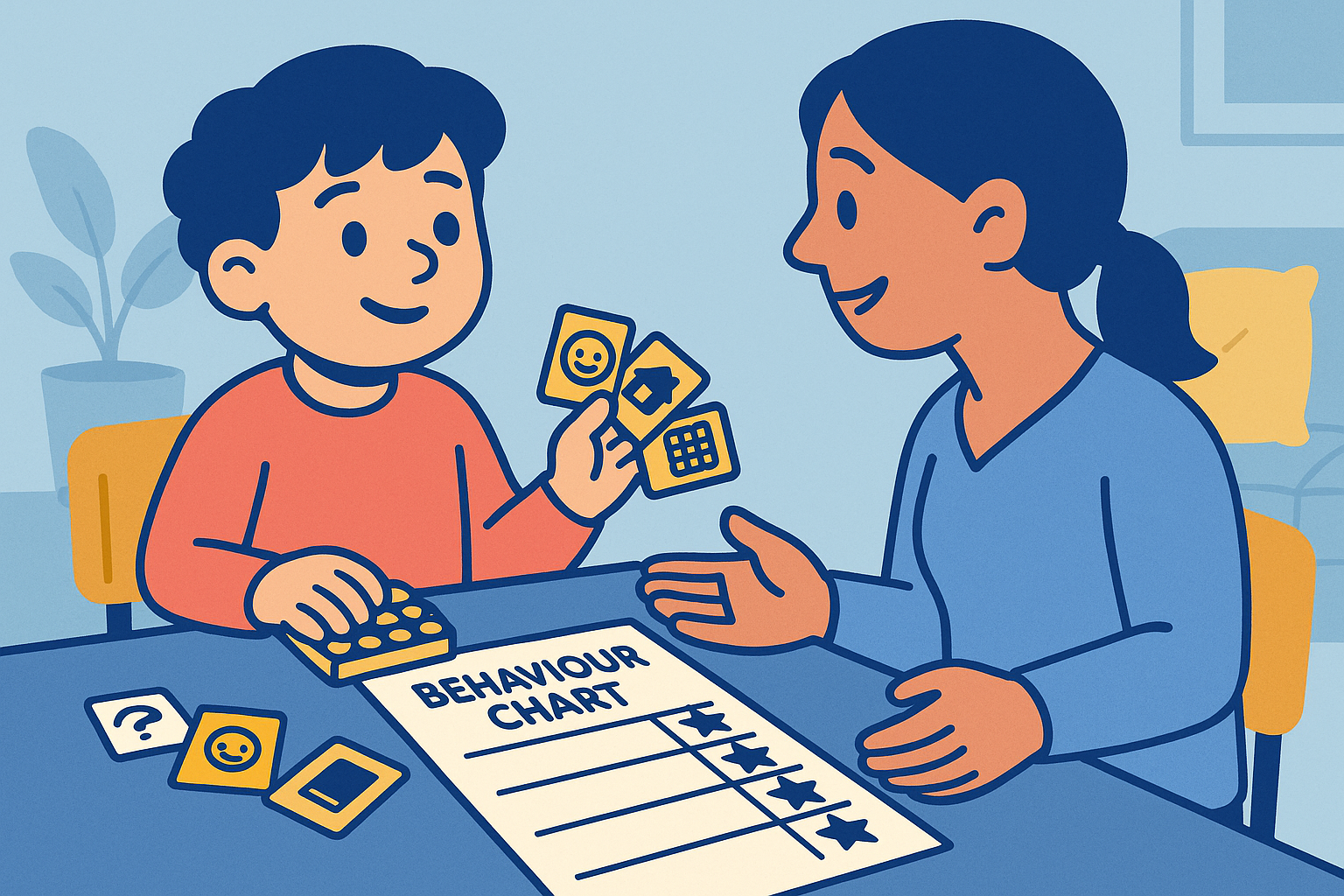
How to Support Children with Sexualised Behaviours: A Caring Guide for UK SEN Families
When your child has special educational needs (SEN) and begins showing sexualised behaviours, it can feel overwhelming. You might be unsure how to respond or where to turn—especially when there’s already a long NHS (National Health Service) wait list ahead of you. But you're not alone. Many UK families are navigating these same sensitive challenges. And while it’s not easy to talk about, opening up matters. The more we understand the behaviours and what's behind them, the better we can respond—with empathy, care and access to professional support when needed.Understanding Where These Behaviours Come From
Children sometimes act out in ways that don’t seem to “fit” their age or context—and sexualised behaviours can be part of that. For children with SEN, this may be linked to unmet emotional needs, disrupted attachments, exposure to inappropriate content or environments, or even simple confusion around boundaries. Rather than focusing solely on the behaviour, try to look at what your child might be trying to communicate. Are they seeking attention, expressing anxiety, or repeating something they’ve seen without understanding it? Qualified professionals—like those you can connect with through ChildWize—are trained to help families explore these underlying causes.Why Open Conversations Matter More Than Ever
There’s still so much silence around this topic. And that leaves families feeling isolated. But speaking up is the first step towards real help. When we break down stigma and talk openly about what’s happening, we give ourselves and our children the chance to move forward safely. Connecting with a therapist, a Special Educational Needs Coordinator (SENCO), or your local authority’s safeguarding team can help build that support network. You can also include your teaching assistant or school pastoral lead to work together on a consistent response.What a Supportive Response Looks Like
Reacting harshly or punitively often shuts doors. Instead, sensitive and structured support gives your child the best chance of learning healthy boundaries and rebuilding trust.This might include:
- Talking simply and clearly about what is and isn’t OK
Creating Environments Where Children Feel Safe
Every child deserves to feel safe. That includes the children around them. For families and schools managing these issues, striking the balance can feel like a tightrope. What helps? Honest communication, clear safety plans, and a team approach across home and school. When everyone is on the same page—including teaching assistants, SENCOs, and the school’s safeguarding lead—your child can begin developing respectful peer relationships within a safe and structured setting.What UK Parents Can Do Now
Start by opening a non-judgemental conversation with your child. Use simple language they understand. Reassure them that you’re there to help keep everyone safe, including them. Reach out for professional support. Waiting lists can feel endless, but there are ways to bridge the gap. Platforms like ChildWize help parents stuck on long NHS wait lists by connecting them with qualified specialists through appointments and tailored questions. And don’t forget to look into resources available through your child’s school, your local authority, or community safeguarding services. The more people around you who understand your child’s needs, the more likely you are to build the right support network.How ChildWize Can Help Families Like Yours
At ChildWize, we know how exhausting it is to seek support and hit a wall. That’s why our platform exists—to help UK parents connect with professionals when NHS wait times make it hard to get the help you need. We’re not a provider of direct advice, but we do offer the chance to ask questions or book appointments with qualified experts in child development and SEN. Whether you’re confused, worried, or unsure where to turn, you’re not alone. And with the right connections, you don’t have to wait any longer than necessary. Visit www.childwize.co.uk to learn how to connect with specialists today. Together, we can keep building spaces where all children are understood, protected, and given the chance to grow with dignity and care.Related Services
Behavioural Support
If your child's behaviour is causing concern at home or school, our specialists help you understand what is driving it and how to respond.
Learn more →Educational & SEND Support
Navigating the SEND system can be overwhelming. Our specialists help you understand your child's rights and get the support they need at school.
Learn more →Developmental Assessment
If you are concerned about your child's development, a comprehensive assessment can identify strengths, needs, and the right next steps.
Learn more →