
Support for Nonverbal Autistic Children | ChildWize UK
By ChildWize ·
Understanding Nonverbal Communication in Autistic Children: Support and Guidance for UK Families
Being a parent to a child who communicates differently comes with deep love—and often deep worry. If your child is autistic and struggles with speech, you’re not alone. Around one-third of autistic individuals don’t use spoken language as their main form of communication. In the UK, many families face long NHS wait lists and feel unsure where to turn next. Let’s take a closer look at what nonverbal communication really means for autistic children and how families can support their child’s voice—regardless of whether it’s spoken.Why Speaking Isn’t Always the First Step
For many autistic people, verbal speech can feel physically hard, emotionally draining, or, in some cases, simply not accessible. It’s not about refusal, laziness, or ‘selective mutism’ in the everyday sense. It’s about navigating environments where language use may come with anxiety or sensory overload. Some children may speak comfortably at home, but struggle to use their voice at school or with unfamiliar people. Recognising these challenges is the first step. Communication ability isn’t fixed—it can shift daily. As parents, tuning into your child’s comfort zones can make a world of difference.More Than Words: What Communication Looks Like
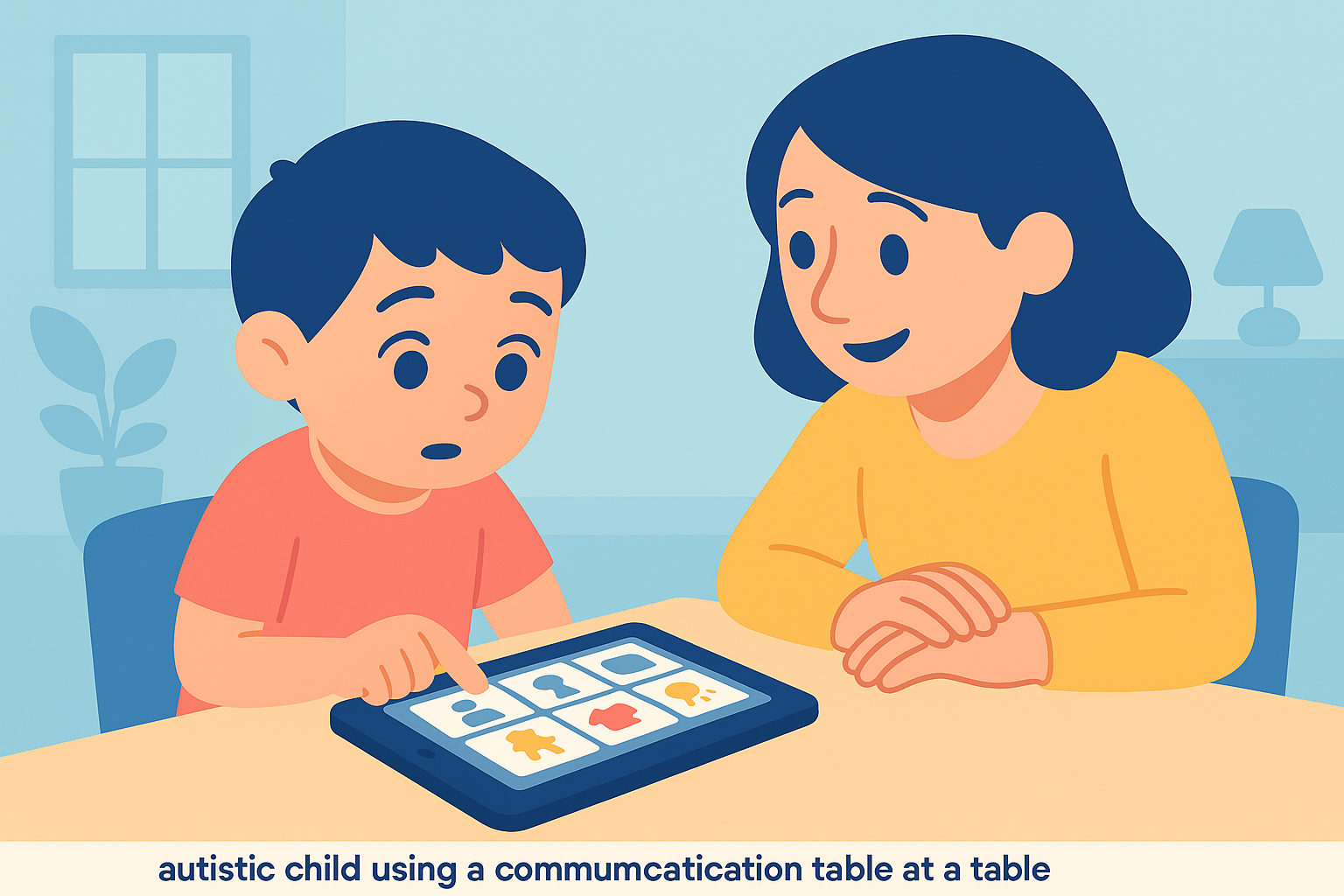
Communication is so much broader than speech. Autistic children often use what’s known as augmentative and alternative communication (AAC). This could include sign languages, communication cards and apps, or systems like PECS (Picture Exchange Communication System). For others, a letterboard or a communication partner may offer the connection they need. Each child is different. Some may need support from a speech and language therapist or a specialised teaching assistant. But one thing is true across the board—every child deserves a way to be heard.The Emotional Side of Communication
When a child is able to communicate in a way that's understood, their self-worth and emotional wellbeing often grow. For families, the relief of understanding their child’s needs—even through gestures or images—can be profound. Research and experience both show that many non-verbal or non-speaking autistic individuals are highly perceptive, thoughtful, and often literate—dispelling outdated assumptions. But unfortunately, due to limited SEN support or long waits for assessment services through the NHS, too many UK children go without the right tools.What Parents Can Do Right Now
Creating a communication-friendly environment begins with small, consistent changes. Speak gently. Allow time for responses. Reduce background noise where possible. Watch your child’s eye movements, gestures, or favourite items—they might be trying to tell you something. If apps, cards, or basic sign language seem to help, follow your child’s lead. A Special Educational Needs Coordinator (SENCO) at your child’s school may also be able to suggest learning tools or interim options while you're waiting for formal input. It’s also worth looking into what support might come through carers allowance or other local disability services. Finding clarity can take time—but the right connections can make it manageable.Connecting with Support When You Need It Most
You don’t have to navigate this alone. At ChildWize, we know that waiting for NHS assessments can be frustrating and lonely. That’s why we’re here to help UK families connect directly with qualified professionals who understand autism and communication challenges. Whether you have questions about starting with AAC methods or need to speak with a professional about next steps, ChildWize can help shorten the wait by linking you to trusted specialists through appointments and secure messaging. We’re simply here to help you move forward.Ready to Take the Next Step?
If you're looking for guidance, encouragement, or even just reassurance, the ChildWize platform is a place where real help is just a connection away. Visit www.childwize.co.uk to connect with experienced professionals who can discuss your child's unique communication needs. Together, we can help every child—and every parent—feel heard and supported. You are not alone. And your child’s voice matters, in every form it takes.Related Services
Speech & Language Therapy
If your child is struggling to communicate, our qualified speech and language therapists are here to help your child find their voice.
Learn more →Autism Support & Assessment
If you think your child may be autistic, our specialists can help you understand their needs and get the right support in place.
Learn more →Educational & SEND Support
Navigating the SEND system can be overwhelming. Our specialists help you understand your child's rights and get the support they need at school.
Learn more →