
Shared Reading Support for SEN Children | ChildWize UK
By ChildWize ·
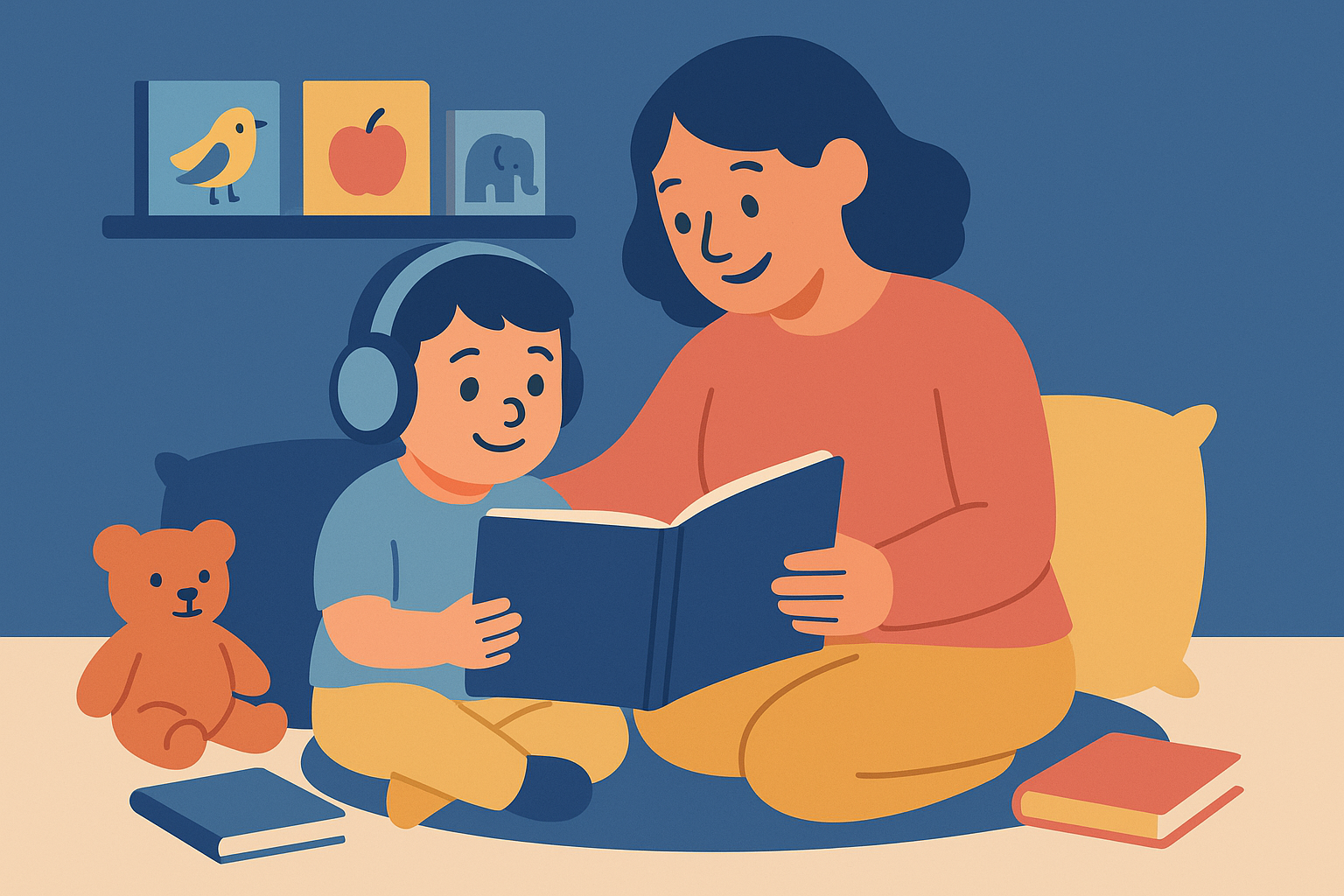
How Shared Reading Can Support Language Development in Children with Special Educational Needs (SEN)
For many UK families navigating the challenges of raising children with special educational needs (SEN), language development can feel like a slow and uncertain journey. But one powerful and often simple tool available right at home is shared reading. Reading together isn't just about enjoying a story. It can also be a meaningful way to boost your child's communication skills — while creating strong emotional connections. Let’s explore how reading with your child can make a difference, and how small changes to your routine can bring big benefits.Why Shared Reading Matters for SEN Children
Shared reading offers more than a break in the day — it’s a moment for connection, communication, and building confidence. For children with SEN, especially those facing speech or language delays, the process of reading aloud and talking about stories helps reinforce vocabulary, structure, and emotional understanding. Even simple picture books can help children begin to link words to images, emotions, and experiences. Some children may benefit from repetition or pause points for discussion — and that’s okay. Pages can become conversation starters. Characters can become new friends.Helping Children Connect Emotions with Words
Books are a safe way for children to explore emotions they might not yet have words for. As you read together, take time to talk about how characters feel or what they might be thinking. For a child who struggles to express their own emotions, identifying sadness, joy, worry or excitement in a story character can help make these feelings more understandable. If your child has autism spectrum condition (ASC) or struggles with emotional regulation, this kind of gentle emotional vocabulary building may support their daily communication too. Using descriptive language around feelings can build flexibility in conversation and support broader language development.Creating a Calm Reading Environment at Home
The reading experience — not just the book itself — makes a difference. Creating a quiet, cosy space can help your child feel safe and focused. That could be a comfy chair, reading tent, or just the sofa with a soft blanket. What matters most is creating routine, calm, and connection. UK-based research shows that positive interactions during shared reading at home are closely linked with improvements in children's literacy confidence. And it’s not about getting through the chapter — it’s about enjoying the moment together.Embracing Digital Reading for SEN Support
In the digital age, books don’t always come with pages. Some children — especially those with sensory differences or attention challenges — might engage better with interactive e-books, audiobooks, or reading apps. Screen-based tools, when used mindfully, can offer additional ways to tell stories, prompt questions, and build confidence. For children with Down syndrome or developmental delays, interactive tools can provide more repetition, visual cues, and even customised pacing to match their needs. You know your child best — and whether it's flipping through a board book or tapping through a touch-screen story, the goal stays the same: shared discovery through language.Real Life Tips for UK Parents Supporting SEN Children
There’s no single ‘right’ way to do shared reading. It’s about finding what works for your family. Here are a few realistic ideas many UK families have found helpful: Set up a regular reading routine — even just ten minutes before bedtime — to make reading feel familiar and safe. Encourage your child to take part: turning pages, choosing the book, or acting out a character’s voice. Participation builds confidence. Use sensory-friendly materials like touch-and-feel books, audiobooks, or visual storyboards — especially if your child responds to different types of input. Talk about how book characters feel and ask how your child thinks they might feel in that situation. This can help build emotional vocabulary and empathy. Remember, you don’t need to finish the book. If your child is engaged by one page for ten minutes, that’s a win.How ChildWize Can Help You Connect with Support
We understand the journey UK families face — especially when NHS wait lists feel endless and support seems far away. ChildWize is here to help you connect with trusted child development specialists. Whether your child needs support with speech, emotional development or learning adjustments, our platform lets you book appointments or ask questions at your pace, from your home. We don’t offer advice or treatment directly — but we help you find someone who can. Through ChildWize, you can connect with qualified professionals who understand special educational needs and how to support your child’s language development journey. Visit www.childwize.co.uk to explore who you can connect with, learn from other parents, and take that next step with confidence. Because you shouldn’t have to wait to start seeing progress. --- Empowering your child through shared reading doesn’t require big investments — just a little time, consistency, and connection. Together, we can build a nurturing environment where every child with special educational needs can discover the power of language at their own pace.Related Services
Educational & SEND Support
Navigating the SEND system can be overwhelming. Our specialists help you understand your child's rights and get the support they need at school.
Learn more →Developmental Assessment
If you are concerned about your child's development, a comprehensive assessment can identify strengths, needs, and the right next steps.
Learn more →Dyslexia & Learning Difficulties
If your child finds reading, writing, or spelling unusually difficult, our specialists can assess for dyslexia and recommend the right support.
Learn more →