
Screen Time & Media Tips for UK SEN Families | ChildWize
By ChildWize ·
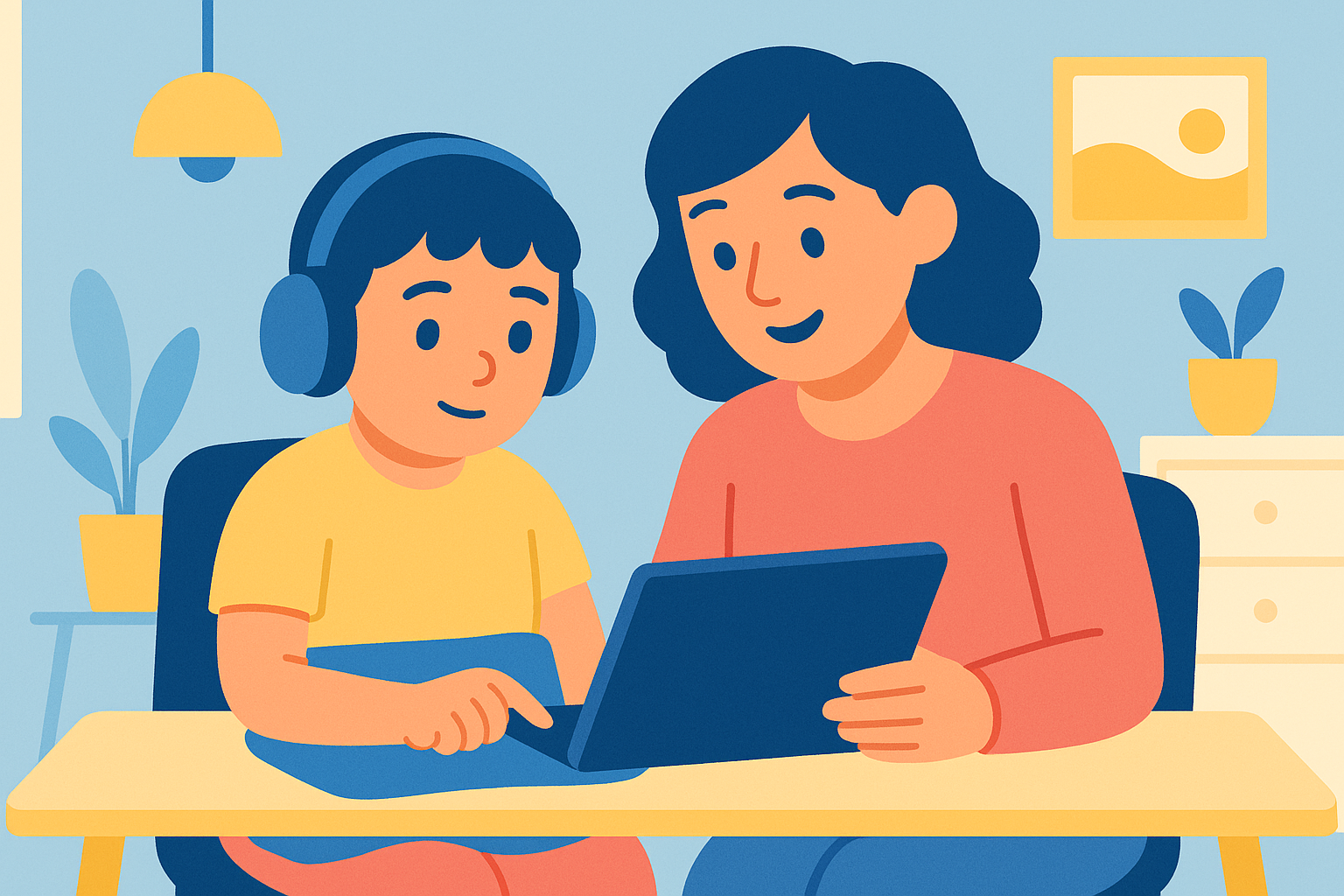
Supporting UK Parents: Screen Time and Media Awareness for Children with SEN
For many families across the UK, screen time has become a double-edged sword—especially when you're raising a child with Special Educational Needs (SEN). Sometimes, technology is a helpful bridge for learning and calm. Other times, it becomes something we wish we could better manage. We know how overwhelming it can feel. There's not always a clear answer, and every child is different—some may find comfort in visual content, while others may become overstimulated quickly. With long waits for professional advice through the NHS, it's easy to feel stuck. But with care, curiosity and a little structure, you can help your child build a healthy relationship with screens, while making space for development beyond them.Screen Time: It’s Not All or Nothing
Let’s be honest—completely eliminating screen time isn’t realistic. Screens can provide moments of calm, connection or even learning. The key isn't removing screens from our lives—it’s guiding how and when they’re used. Here are a few things many UK parents have found helpful when navigating this balance, especially with children who have Special Educational Needs (SEN):- Balance screens with sensory, creative and physical play. Time outdoors, music, arts and time with siblings or a teaching assistant can offer sensory experiences that screens simply can’t. Many local authorities also offer community activities that help reinforce these strengths.
Why Media Literacy Matters – Even for Younger Children
It’s never too early to start developing media literacy—that is, helping our children understand and question what they see onscreen. For children with SEN, this can take extra care and repetition. But small conversations go a long way. Try asking open-ended questions after screen time: “What did you see?” or “Did anything feel a bit confusing?” These gentle check-ins can support both comprehension and confidence. For children who have an Education, Health and Care Plan (EHCP), screen choices can even reflect individual learning goals—and professionals such as your child’s Special Educational Needs Coordinator (SENCO) or therapist may offer suggestions for tailored content.You're Not Alone – Even If It Sometimes Feels That Way
When you’re facing long NHS wait lists or trying to navigate a diagnosis, it can feel like time is standing still. At ChildWize, we understand how isolating that experience can be. That’s why we built a platform that connects UK parents with qualified professionals in child development. Whether you're trying to manage media use, understand learning behaviours, or explore useful strategies, you can use www.childwize.co.uk to:- Join a compassionate, UK-based community who know this exact journey
Moving Forward, One Tap at a Time
Supporting your child’s relationship with screens doesn’t require perfection. It simply needs awareness, practice, and the right tools. Each small step you take—asking a question, trying a new routine, connecting with another parent—creates a roadmap forward. When you’re ready to explore support tailored to your child’s needs, visit www.childwize.co.uk. Let’s move forward, together.Related Services
Educational & SEND Support
Navigating the SEND system can be overwhelming. Our specialists help you understand your child's rights and get the support they need at school.
Learn more →Family Therapy & Parent Coaching
Family life can be stressful when a child is struggling. Our therapists help the whole family communicate better and build stronger relationships.
Learn more →Dyslexia & Learning Difficulties
If your child finds reading, writing, or spelling unusually difficult, our specialists can assess for dyslexia and recommend the right support.
Learn more →