
Screen Time and SEN: Tips for UK Parents | ChildWize
By ChildWize ·
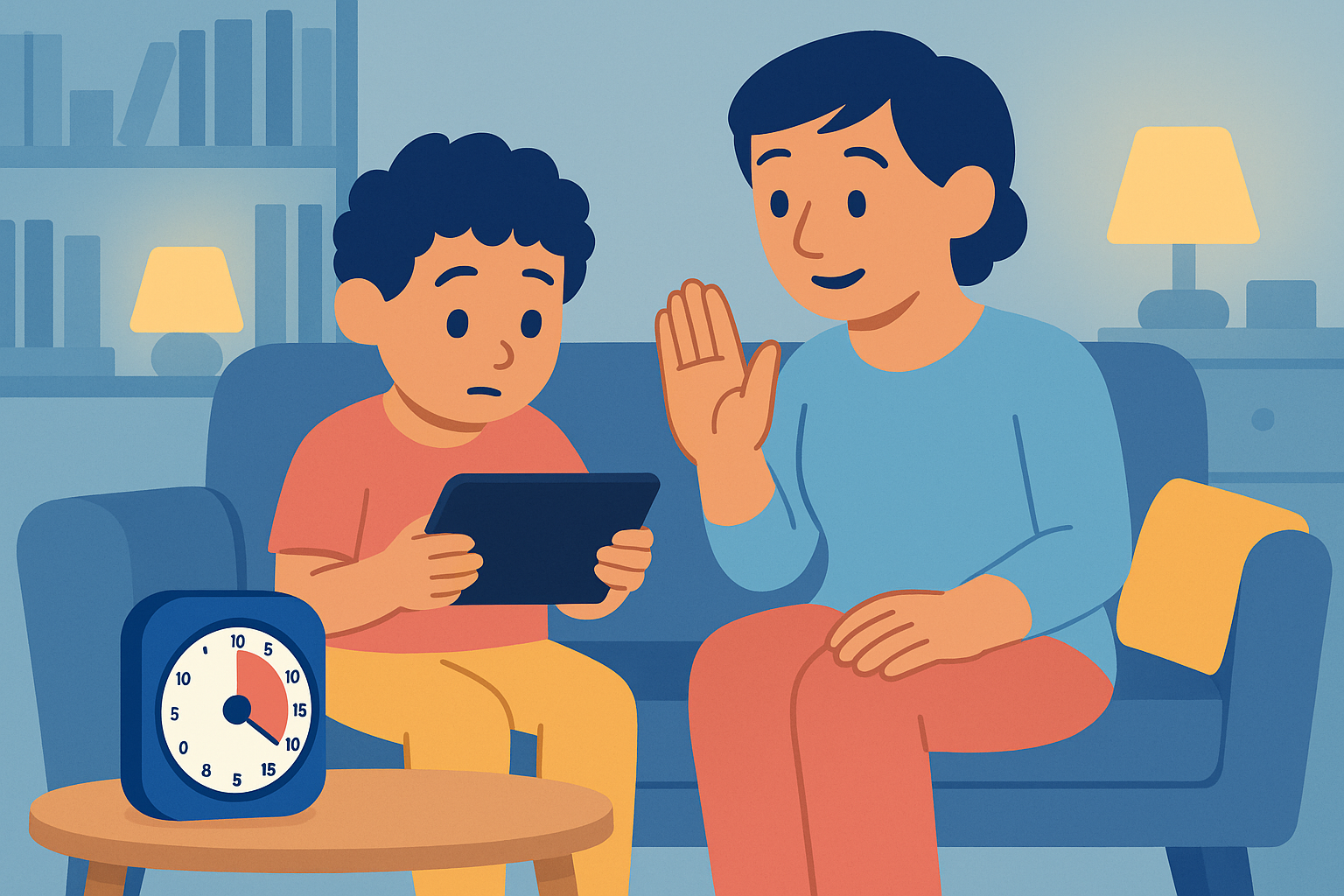
Balancing Screen Time: Support for UK Parents Raising Children with SEN
As a UK parent raising a child with special educational needs (SEN), you're likely already juggling a full plate—education plans, emotional wellbeing, and often, long NHS waitlists. But in the middle of it all, there's one modern-day parenting hurdle that keeps popping up: screen time. Maybe you're wondering how much is too much—or how to model balanced habits yourself when your phone is constantly buzzing. And if your child has Additional Diagnoses like Attention Deficit Hyperactivity Disorder (ADHD), managing screen time can feel even more complex. Let’s explore how small screen-time shifts can support developmental growth, strengthen relationships, and protect your family’s wellbeing—without striving for perfection.Screen Habits Start With Us: Parent Modelling Matters
Screens are part of our daily toolbox—used for work, connection, and managing life. But when raising children with SEN, it’s not just about limiting their screen use. It’s also about being aware of our own. Children, especially those with ADHD or communication needs, are highly sensitive to routines and modelling. If adults are regularly distracted by screens, it may decrease opportunities for vital parent-child interaction. This can affect emotional bonding, language development, and even problem-solving skills over time. Creating family routines—like “tech-free dinner” or “offline play after school”—provides structure children can rely on. And when they see us taking breaks or switching off before bed, it reinforces healthier digital boundaries.Understanding the Physical Impact of Sedentary Screen Time
Screens tend to come with sitting. And for school-age children or teens with SEN or ADHD, long stretches of sitting can affect both focus and physical wellbeing. Research suggests excessive sedentary time can impact mood, blood sugar regulation, and cognitive alertness. Incorporating small breaks really helps—whether that’s a stretch every 30 minutes or dancing to a silly song. Teaching Assistants and SEN Coordinators often encourage movement-based activities for neurodivergent learners, and similar approaches work well at home. Whether your child enjoys building Lego, yoga, or trampoline time, creating small movement breaks around tech use can support regulation.Protecting Mind and Body with Confident Boundaries
Children with SEN may be more prone to sensory overload, and excessive screen exposure can sometimes lead to fatigue, eye strain, and emotional dysregulation. For adults too, long periods of scrolling can interfere with sleep and increase stress. Try following the 20-20-20 rule—every 20 minutes, glance at something 20 feet away for 20 seconds. It can help ease eye strain and encourage you (and your child) to step away briefly. You might also consider swapping some passive screen time with something more engaging. Many UK parents of ADHD children find success with puzzles, audio storytelling, or co-viewing educational programmes—with a chat during or after to see what resonated.Screen Smart: Practical Tools That Help
Instead of fighting screens, embrace simple habits that build healthier relationships with them. Here are some ideas we've seen work well across UK families supporting SEN children:- Model healthy winding-down habits in the evening—no phones after 8pm, dimming lights, and calming activities.
You’re Not Alone—Finding SEN-Specific Support
Many UK families are stuck in long NHS waitlists while trying to support ADHD children or manage assessments for an Education, Health and Care Plan (EHCP). That’s where platforms like ChildWize come in. ChildWize connects parents with qualified child development professionals, including specialists in SEN, ADHD, and neurodiversity support, through appointments or individual questions. It’s designed for parents who need trusted help without long delays—whether that's understanding screen stress, finding strategies for family rhythm, or simply having someone to talk to who truly gets it. You don’t have to carry all this on your own. >>> If you're ready to take a small step forward, visit www.childwize.co.uk to connect with specialist support today. Together, let’s build a nurturing environment where tech has its place—but doesn’t replace connection, creativity, and calm. Your efforts already matter. — ChildWize Editorial TeamRelated Services
ADHD Assessment & Support
If your child struggles with focus, impulsivity, or restlessness, our specialists can assess and support them without long NHS waits.
Learn more →Educational & SEND Support
Navigating the SEND system can be overwhelming. Our specialists help you understand your child's rights and get the support they need at school.
Learn more →Family Therapy & Parent Coaching
Family life can be stressful when a child is struggling. Our therapists help the whole family communicate better and build stronger relationships.
Learn more →