
Reduce Holiday Stress: A Guide for UK SEN Parents
By ChildWize ·
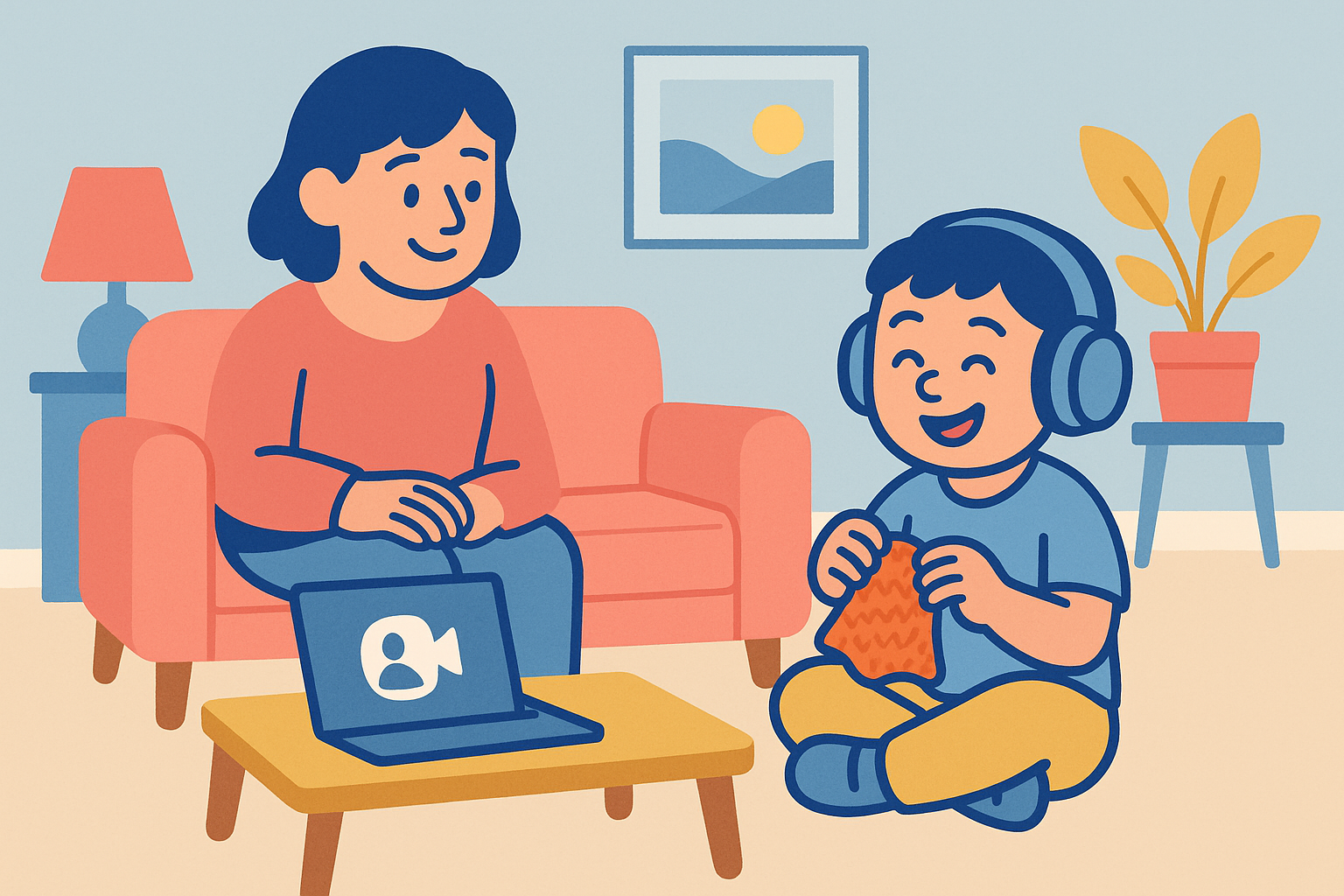
How Understanding Child Development Science Can Reduce Holiday Stress for UK Parents of SEN Children
For many UK parents and carers of children with special educational needs (SEN), the festive season can bring more pressure than joy. Whether it’s managing routines, coping with sensory overload, or facing long NHS (National Health Service) wait lists, everything can feel bigger at this time of year. But what if understanding the science of child development could help ease that stress? You don’t need a psychology degree – just a few key insights into how children grow and respond can shift how you see things, especially when things aren’t going to plan.Why Parenting Stress Peaks – And What Makes It Softer
Parenting is hard. Parenting with structural obstacles like financial challenges, limited childcare, or balancing work commitments makes it even harder. For many families, accessing support can feel like a full-time job. This is especially true if you’re waiting on an Education, Health and Care Plan (EHCP) or struggling to access assessments for conditions like autism or Down syndrome. But pausing to understand how children's behaviour is shaped – by genetics, environment, temperament and even trauma – can lift some of the weight. When you know your child isn't choosing to melt down or withdraw but is overwhelmed by sensory input or struggling to communicate, guilt starts to lose its grip. There's reassurance in realising: you’re not failing – you’re responding, adapting and surviving.Imperfect Parenting Is Still Powerful
On social media, the holidays can look magical. Homemade paper chains, colour-coordinated jumper days, endless joy. Real life is messier. There are school meltdowns, missed teaching assistant updates, forgotten forms, and battles for the last sensory toy your child actually likes. But research in child development shows that parenting doesn’t have to be perfect to be powerful. Repairing those little ruptures – the snap when you're tired, the moment of disconnection – is more important than never messing up in the first place. Children learn resilience through those moments, especially when we come back and connect. When things go wrong, name it, talk about it, and show your child that feelings are okay – for them, and for you.The Overlooked Power of Independent Play
In today's world, children's free time is often structured and supervised. But unstructured play – especially outdoors or in ways that feel adventurous – is a big contributor to emotional regulation, imagination and confidence. For children with sensory needs, the chance to choose how they interact with the world matters deeply. Risky play doesn’t mean unsafe play. It’s about giving your child chances to explore, climb, build, and make decisions themselves. It might mean trusting them to play in the garden while you’re nearby, or letting music play while they try out a new sensory toy in their own time. Child development science shows us that when children get moments of control and independence, their confidence grows – and they often need less direct intervention, not more.Your Well-Being Is Not Optional
Between caring responsibilities, endless appointments, and perhaps applying for the Blue Badge or Carer’s Allowance, your own needs can quietly disappear. But science is clear: children thrive most when their parents are held and supported too. That doesn’t mean pretending to be okay. It means finding daily moments for self-forgiveness, asking for help when you’re stretched, and recognising that 'good enough parenting' really is enough. You don’t need to keep up with the perfect schedule or force joyful traditions. Just feeling seen, connecting with others walking a similar road, can be a light in itself.If You're Feeling Overwhelmed, You're Not Alone
Many UK families are caught in long NHS wait lists and trying to navigate support options alone. Whether you're just beginning to explore support, waiting for assessment, or asking questions about how to best support your child’s development – not having somewhere to turn can be isolating. ChildWize is here to help you bridge that gap. We don’t offer direct advice – but we do help you connect with qualified professionals who understand what you’re going through. Through ChildWize, you can book appointments or ask questions and get support from experts who specialise in special educational needs. When guidance from professionals feels out of reach, connecting through ChildWize can feel like a step forward. Learn more about how we can help you move from frustration to clarity at www.childwize.co.uk.A Realistic, Kind Holiday Message for Parents
This season, let go of flawless expectations. Focus on what actually helps: real moments of connection, sensory-friendly joy, imperfect but loving interactions. If you’re feeling stretched thin, remember – understanding a little about how development works isn’t just for professionals. It’s one more tool you can gently carry as you do your best, every day. You’re not failing. You’re learning, adapting, and loving in messy, extraordinary ways. When the stress builds, you’re not alone – the ChildWize community is here to help you connect with people who get it. Find support, access professional insight, and breathe a little easier knowing help is closer than it sometimes feels. Child development science reminds us: connection matters more than perfection.Related Services
Occupational Therapy
Our paediatric occupational therapists help children develop the skills they need for everyday life, from handwriting to sensory processing.
Learn more →Educational & SEND Support
Navigating the SEND system can be overwhelming. Our specialists help you understand your child's rights and get the support they need at school.
Learn more →Family Therapy & Parent Coaching
Family life can be stressful when a child is struggling. Our therapists help the whole family communicate better and build stronger relationships.
Learn more →