
Private Child Development Specialists: The Honest Pros and Cons
By ChildWize ·
Private Child Development Specialists: The Honest Pros and Cons
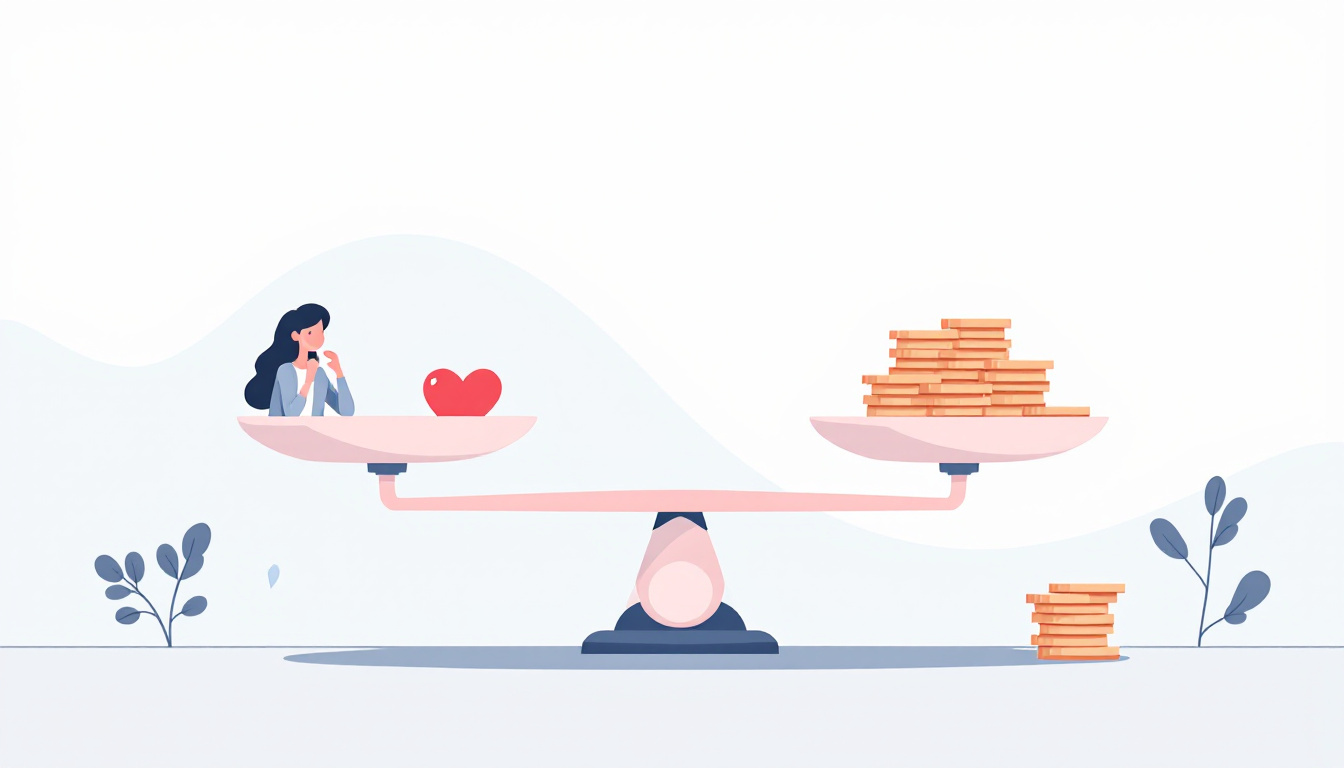
Sooner or later, most parents stuck on a long NHS waiting list ask the same question: should we just go private? It is a fair question, and it deserves a fair answer — not a sales pitch, and not a guilt trip. Going private is the right call for some families and the wrong one for others. Here is an honest look at both sides.
Why parents consider going private
The reasons are almost always the same. The NHS wait is long, the child is struggling now, the school wants answers, and the parent feels they cannot just sit and wait. Private care promises speed and choice. For a family in distress, that promise is powerful — and entirely understandable.
The pros
- Speed. This is the big one. A private first appointment often comes through in a few weeks rather than many months.
- Choice. You can pick a practitioner whose specialism, approach and reviews fit your child, rather than being allocated whoever is next.
- Flexibility. Evening and weekend appointments are far more common privately, which matters a great deal if you work.
- Continuity. You often see the same person throughout, instead of being passed between services and repeating your story each time.
The cons
- Cost. You are paying out of pocket, and for full assessments that can run into hundreds or even thousands of pounds.
- Unclear pricing. Fees are not always published. Some clinics use a free "discovery call" that is really a sales conversation, and the true cost only becomes clear later.
- Variable quality. Private does not automatically mean better. Almost anyone can call themselves a "specialist"; not everyone is properly registered or experienced with children.
- Recognition. Occasionally an NHS service or school will query a private diagnosis, particularly if the assessment was brief or the assessor's credentials are unclear.
- The research burden. You do the vetting yourself, at exactly the moment you have the least energy for it.
What it actually costs
Costs vary enormously by service and region. As a rough guide, private therapy sessions often sit in the £50 to £150 range, while full neurodevelopmental assessments — for example for autism or ADHD — frequently run from several hundred to well over a thousand pounds. Independent educational psychology assessments are typically £400 to £800. The headline figure is rarely the whole story, so always ask what is and is not included before you commit.
How to choose a private practitioner safely
If you do go private, a few checks protect you and your child:
- Check registration. Look them up with the relevant body — the HCPC for psychologists and many therapists, the GMC for doctors, the RCSLT for speech and language therapists, the BACP for counsellors.
- Ask about DBS checks. Anyone working with your child should be DBS-checked, and happy to confirm it.
- Get the price in writing. Including what happens, and what it costs, if follow-up appointments are needed.
- Ask how the assessment works. A credible assessment gathers information from more than one setting and takes time. Be cautious of anything promising a firm diagnosis in a single short session.
Is private always faster — and always worth it?
Faster, usually. Worth it, it depends. For a family who can afford it and needs answers now, private care can be genuinely life-changing. For others, the cost is a real barrier, and there are alternatives worth knowing about first — including NHS Right to Choose, which can give you faster, regulated care that is still free. Our guide explains what Right to Choose covers and how to ask for it.
A calmer middle path
Going private does not have to mean an expensive clinic and a stack of forms. Online platforms now connect families with verified, DBS-checked specialists at published prices, often with a free first conversation before you pay anything. That removes two of the biggest downsides of traditional private care: unclear pricing and the research burden.
Before you decide, it is worth seeing all your options laid out plainly. Our side-by-side comparison of NHS, Right to Choose, private and ChildWize walks through wait times, cost transparency, remote access and hassle, so you can choose with your eyes open.
What about waiting while you decide?
One worry I hear a lot is that going private means giving up your NHS place. It does not. You can stay on the NHS waiting list and seek private help at the same time — the two run in parallel, and a private report does not remove you from the queue. Many families do exactly this: they keep the NHS assessment in the background for the formal, free diagnosis, while getting practical support and answers privately in the meantime. If money is tight, you can also use private help selectively — a single consultation to understand what you are seeing and what to ask for, rather than a full programme. You are allowed to mix and match. The goal is simply that your child is not left without support while the slower wheels turn.
The bottom line
Private child development specialists offer speed, choice and flexibility, at a financial cost and with quality you have to check for yourself. It is a genuinely good option for some families. Just go in informed: check registration, get the price in writing, and make sure you have looked at the free and lower-cost routes first. There is no wrong choice here — only the one that is right for your child and your circumstances.
Related Services
Autism Support & Assessment
If you think your child may be autistic, our specialists can help you understand their needs and get the right support in place.
Learn more →ADHD Assessment & Support
If your child struggles with focus, impulsivity, or restlessness, our specialists can assess and support them without long NHS waits.
Learn more →Child Psychology
If your child is struggling with their emotions, behaviour, or mental health, our child psychologists provide compassionate, expert support.
Learn more →