
Post-Pandemic Mental Health: Support for SEN & ADHD Kids
By ChildWize ·
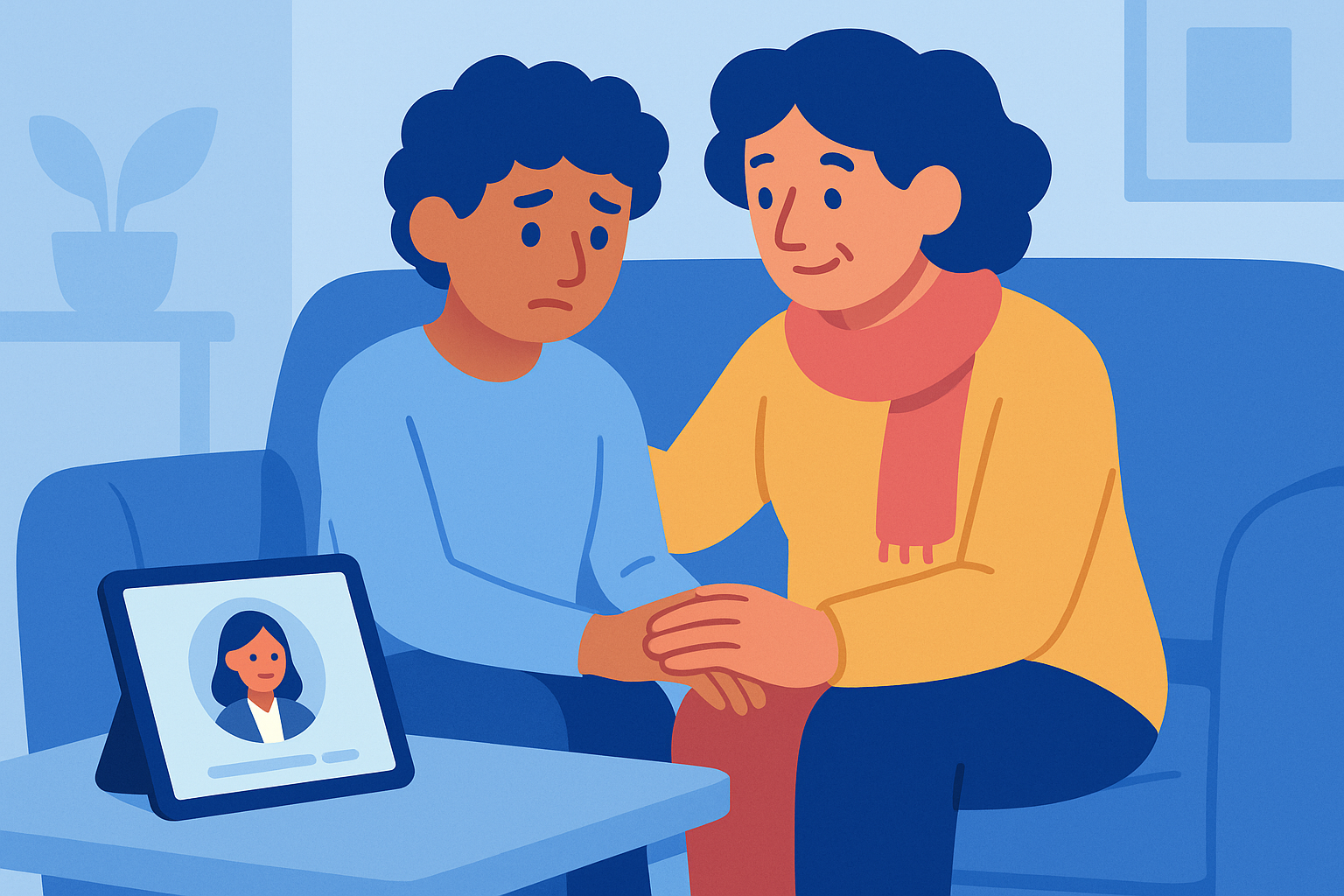
Supporting Your Child’s Mental Health Post-Pandemic: A Guide for UK Parents of SEN and ADHD Children
The pandemic may feel like it’s behind us, but for many families across the UK—especially those with children who have special educational needs (SEN) or ADHD—the emotional ripple effect is still very present. As parents and carers, understanding this impact and knowing how to respond with kindness and clarity becomes an essential part of helping our children heal and thrive. Whether you're navigating education health and care plans (EHCPs), stuck on NHS wait lists, or simply feeling unsure, you’re not alone.How the Pandemic Changed Mental Health in Young People with SEN
The COVID-19 crisis deeply disrupted life for children and teens across the UK, but for those with SEN, including conditions like ADHD or Down syndrome, the effects often ran deeper. Routines were flipped upside down, learning support disappeared overnight, and isolation intensified existing challenges. For many young people, the sudden loss of structure and social connection led to increased anxiety, withdrawal, and emotional overwhelm. Whether it's struggling with sudden changes in school routines, a loss of access to a teaching assistant, or delays in assessments and diagnoses through the NHS, these disruptions have lasting effects—compounding the sense of being unseen or unsupported.What Parents Are Still Facing: Lingering Mental Health Stress
Many parents have shared how their children are still struggling long after restrictions were lifted. You might have noticed changes in behaviour—more meltdowns, difficulty sleeping, or a drop in self-confidence. Teens, in particular, may find conversations difficult, burying their worries until they boil over. For families of ADHD children or those navigating a new diagnosis, the sense of overwhelm can feel doubled. The wait for specialist input through the NHS is often long, and EHCP processes are slow-moving. This can leave families in limbo, concerned that their child isn’t getting the mental health or emotional support they desperately need.Ways to Rebuild Confidence and Support Emotional Wellbeing
The good news? Even small, simple shifts at home can make a real difference. You don’t need to be an expert—you just need to know how to meet your child where they are. Start with consistency. A familiar routine—no matter how simple—can reintroduce a sense of control. Try to build small, low-pressure social opportunities. Whether it’s visiting the park together, meeting one trusted friend, or joining a structured SEN-friendly group activity, rebuilding those social bridges slowly can ease loneliness. Mindfulness doesn’t have to mean meditating. It could be breathing with your child through a tough moment, doing a puzzle together, or even just sharing a quiet cup of tea while colouring. And always keep the conversation open. Your child might not always have the words, but feeling safe to be themselves without judgement is one of the strongest supports you can offer.Practical Support for SEN Families in the UK
If you’re feeling stuck in your efforts to get help—resigned to delays, unsure where to turn, or caught between forms and funding applications—you’re not alone. Many families are waiting months (sometimes years) for mental health assessments, teaching assistant support, or a confirmed EHCP. You may also be navigating applications for a Blue Badge, trying to understand if you’re eligible for Carers Allowance, or asking the school for more clarity. All of this takes time and energy you might barely have. Through ChildWize, you can connect with qualified child development specialists who understand these systems and can help guide your next steps. Whether you have questions about classroom accommodations, emotional regulation, or navigating school meetings, being able to access that familiar voice of reassurance and clarity can make all the difference.Moving Forward One Conversation at a Time
This isn’t about fixing everything overnight. It’s about giving your child—and yourself—steadiness and support so that healing can happen gradually. It's okay to pause and breathe. It's okay to admit that you're still figuring it out. If you’re ready to connect with professionals who understand what you’re navigating, ChildWize offers a space to have those conversations in a way that works for you. Visit www.childwize.co.uk to connect with trusted child development experts, ask questions at your pace, and find clearer paths forward—especially if NHS wait times are standing in your way. You don’t have to do this alone. Let’s take the next step together.Related Services
ADHD Assessment & Support
If your child struggles with focus, impulsivity, or restlessness, our specialists can assess and support them without long NHS waits.
Learn more →Child Psychology
If your child is struggling with their emotions, behaviour, or mental health, our child psychologists provide compassionate, expert support.
Learn more →Educational & SEND Support
Navigating the SEND system can be overwhelming. Our specialists help you understand your child's rights and get the support they need at school.
Learn more →