
Optimising Mental Health and Exercise for Children: Navigating Remembrance and Mid-Term Reviews
By ChildWize ·
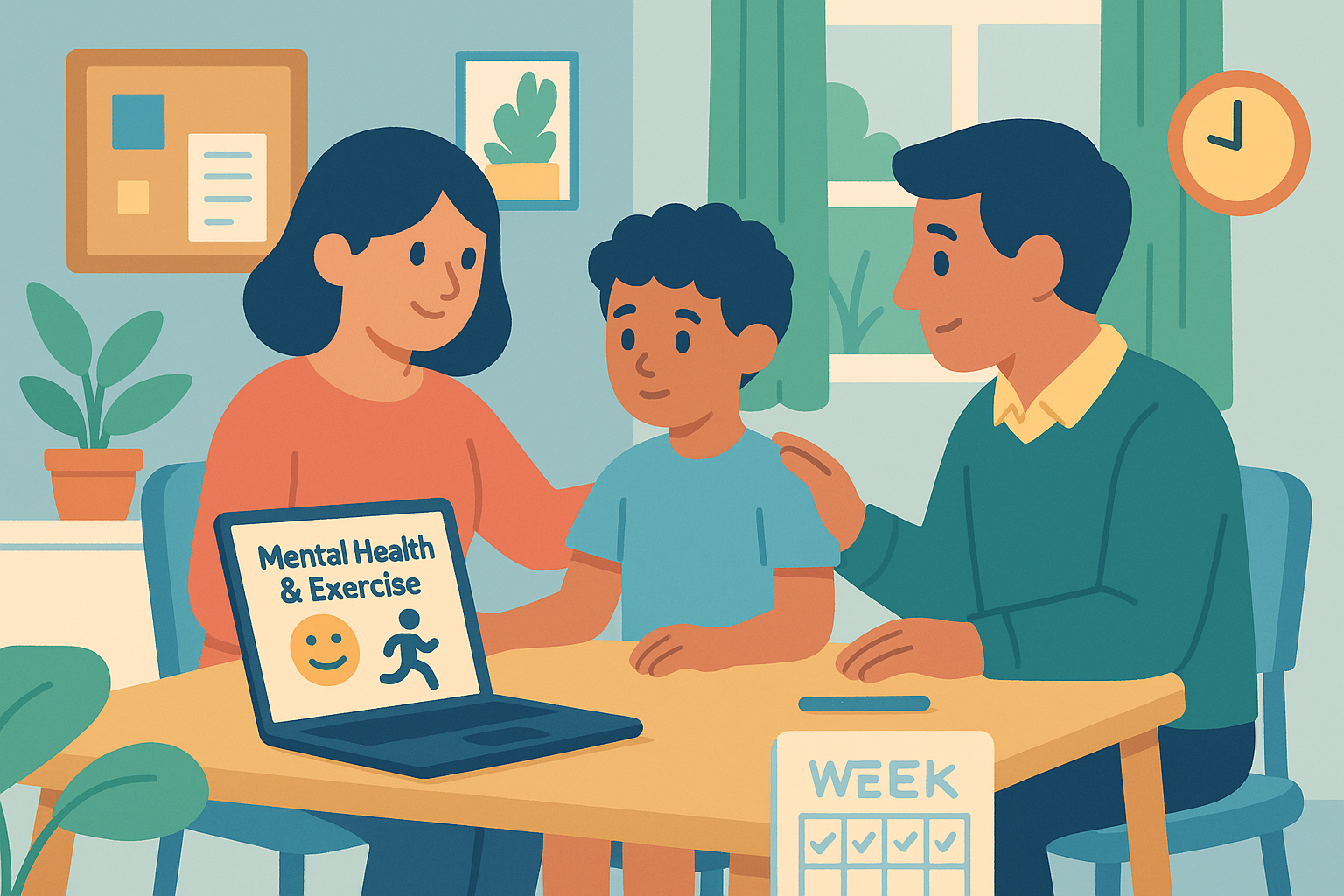
Optimising Mental Health and Exercise for Children: Navigating Remembrance and Mid-Term Reviews
Introduction
As we reach the poignant period of remembrance and undergo rigorous mid-term reviews, understanding the integral link between exercise and mental health for children becomes paramount. Specialists must appreciate how physical activities can serve not only as a tribute to resilience and endurance but also as a critical tool in maintaining the psychological wellbeing of young individuals during such introspective times. This unique period provides an opportunity for therapeutic professionals to re-evaluate and reinforce the importance of structured physical engagements in supporting emotional stability and development in children.Why This Matters Now
During times of remembrance and reflection, children, much like adults, can experience heightened emotions which makes addressing their mental health crucial. Incorporating exercise into their routines can significantly alleviate stress, improve mood, and enhance overall mental wellbeing. For children, particularly those with ADHD, exercise acts as a physical outlet to channel their energy positively and maintain focus, which is essential during disruptive or emotionally charged periods like mid-term reviews.Practical Strategies
Adaptive Physical Activities
Implementing adaptive physical activities tailored to the capacities and interests of children can aid in their mental health management during remembrance periods. For instance, organising team sports that encourage teamwork and resilience can parallel the themes of remembrance, teaching children the values of collaboration and collective strength. Activities like yoga or tai chi can also be introduced to help children regulate their emotions and enhance their concentration amidst the solemnity and academic evaluations occurring.Scheduled Physical Breaks
During mid-term reviews, the cognitive load on children can be immense. Introducing scheduled physical breaks can be a strategic approach to mitigate this stress. Short, engaging activities like jump rope or structured play times integrated between review sessions can provide necessary mental breaks, helping children to clear their minds and return to their academic tasks with renewed focus and energy. This not only boosts their mental health but also optimises their learning and review process.Engagement in Remembrance Events
Encouraging participation in remembrance-related activities, such as community runs or sports events dedicated to historical events, can enhance children's understanding and emotional connection to these occasions. These activities promote not only physical health but also a deeper emotional and societal understanding, allowing children to express and manage their feelings about remembrance through physical exertion and communal involvement.Planning Ahead
Looking beyond the current remembrance and review period, it's crucial to maintain a regular schedule of varied physical activities. Planning ahead for regular updates to exercise routines based on the changing needs of children as they grow and evolve ensures prolonged engagement and sustained mental health benefits. This can involve seasonal activities that align with school terms and holidays, consistently supporting children's mental health throughout the year.When to Seek Additional Support
While integrating exercise into children's routines can significantly benefit their mental health, it's vital to recognise when professional support may be needed. If a child exhibits prolonged signs of distress, withdrawal from activities they previously enjoyed, or significant changes in behaviour or academic performance, consulting with educational psychologists or child therapists might be necessary. It's important to remember to normalise seeking help and ensure that children feel supported in all aspects of their wellbeing.Moving Forward
Moving forward, it is beneficial to keep assessing and adapting physical activities to suit the mental health needs of children, especially during critical periods. Establishing a feedback loop with children to understand which activities they find beneficial or enjoyable can help in tailoring programmes that they are more likely to engage with consistently. This responsive approach ensures that exercises remain a supportive pillar for children's mental health.💡 Need more personalised support for your child?
At ChildWize, we understand that every child's journey is unique. Our resources and guidance can help you navigate the challenges and celebrate the successes along the way.
Related Services
ADHD Assessment & Support
If your child struggles with focus, impulsivity, or restlessness, our specialists can assess and support them without long NHS waits.
Learn more →Child Psychology
If your child is struggling with their emotions, behaviour, or mental health, our child psychologists provide compassionate, expert support.
Learn more →