
Mental Health Support in UK Schools for Children with SEN
By ChildWize ·
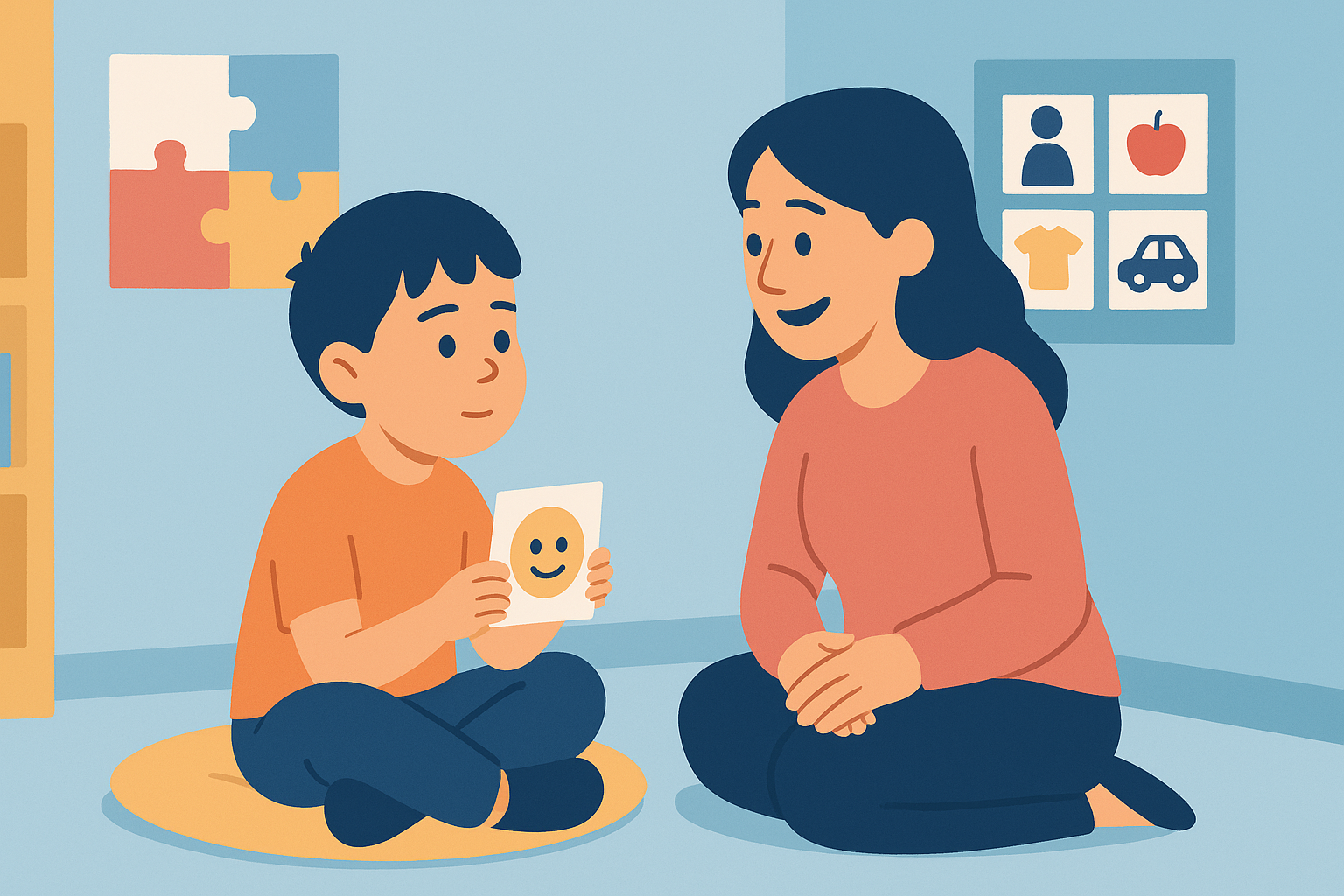
Enhancing Mental Health Support in UK Schools for Children with SEN
As parents raising children with Special Educational Needs (SEN), we often navigate a complex web of emotions, waiting lists, and uncertainties—especially when it comes to mental health support in schools. With mounting NHS backlogs and rising needs among children, it's no surprise many of us feel left asking: 'Is my child getting the right help at school?' Let's explore why tailored, inclusive mental health support in UK schools matters so much—especially for children with SEN—and how families can take proactive steps in a system that doesn't always keep up.Why Mental Health in Schools Matters for SEN Children
Schools in the UK are on the front line when it comes to children’s wellbeing. With teachers, Special Educational Needs Coordinators (SENCOs), and teaching assistants interacting daily with our children, schools are often the first to notice emotional changes. Mental health support within schools—such as counselling, pastoral care, or Mental Health Support Teams (MHSTs)—can make a huge difference. But for children with SEN, who might express anxiety or frustration differently, one-size-fits-all solutions don’t always cut it. That’s where the current system can fall short.The Gaps: When Children with SEN Don’t Fit the Current Model
Mental Health Support Teams were designed to help children with 'mild to moderate' needs—such as low mood or anxiety. While this is vital, many of our children with autism, ADHD, Down syndrome, or other learning needs don’t fit neatly into these categories. Some face challenges too complex for MHSTs but still fall below the threshold for urgent NHS intervention. Others may struggle with communication styles that traditional approaches like Cognitive Behavioural Therapy (CBT) don’t fully accommodate. There’s also the difficulty of waiting months, sometimes years, for appointments—especially when families are already applying for carers allowance or coordinating blue badge applications to ensure their child’s daily needs are met.Tailored Support: Toward a More Inclusive Model
Children with SEN benefit from approaches that are flexible, person-centred, and based on understanding the whole child—not just a diagnosis.This might mean:
- Making space for emotional strategies led by speech and language therapists or occupational therapists
Advocating for Change and Progressing Mindfully
Change doesn’t happen overnight. But by speaking out, sharing experiences, and participating in the evaluation of mental health support programmes, we as parents can push the system to adapt. With ongoing development of in-school teams and evolving inclusion strategies, there are glimmers of progress. But it's vital that SEN children aren’t left behind as services become more standardised.Real-Life Ways Parents Can Navigate Support Gaps
You don’t need to wait. Here are steps many UK parents find genuinely helpful:- Remember, even informal tools like preparing for Teaching Assistants to support transitions or understanding the impact of ADHD medication on classroom focus can make a big difference.
Finding Support Through Connection
At ChildWize, we understand how isolating it can feel when your child’s emotional struggles aren’t being recognised or understood at school. We’re here to help you connect—whether it's with a specialist dyslexia assessor, a mental health nurse, or an autism consultant—who can offer insight and guidance. You don’t need to figure it all out alone. Discover how other families are accessing the input they need to advocate better at school. Join our online community, explore appointments with qualified professionals, and learn from those who’ve walked this road before. Together, we can help bridge the gap between what schools offer—and what children with SEN truly need to thrive. Visit www.childwize.co.uk to begin connecting with the support network that gets it.Related Services
ADHD Assessment & Support
If your child struggles with focus, impulsivity, or restlessness, our specialists can assess and support them without long NHS waits.
Learn more →Child Psychology
If your child is struggling with their emotions, behaviour, or mental health, our child psychologists provide compassionate, expert support.
Learn more →Educational & SEND Support
Navigating the SEND system can be overwhelming. Our specialists help you understand your child's rights and get the support they need at school.
Learn more →