
Managing ODD in Children: Practical Tips for UK Parents
By ChildWize ·
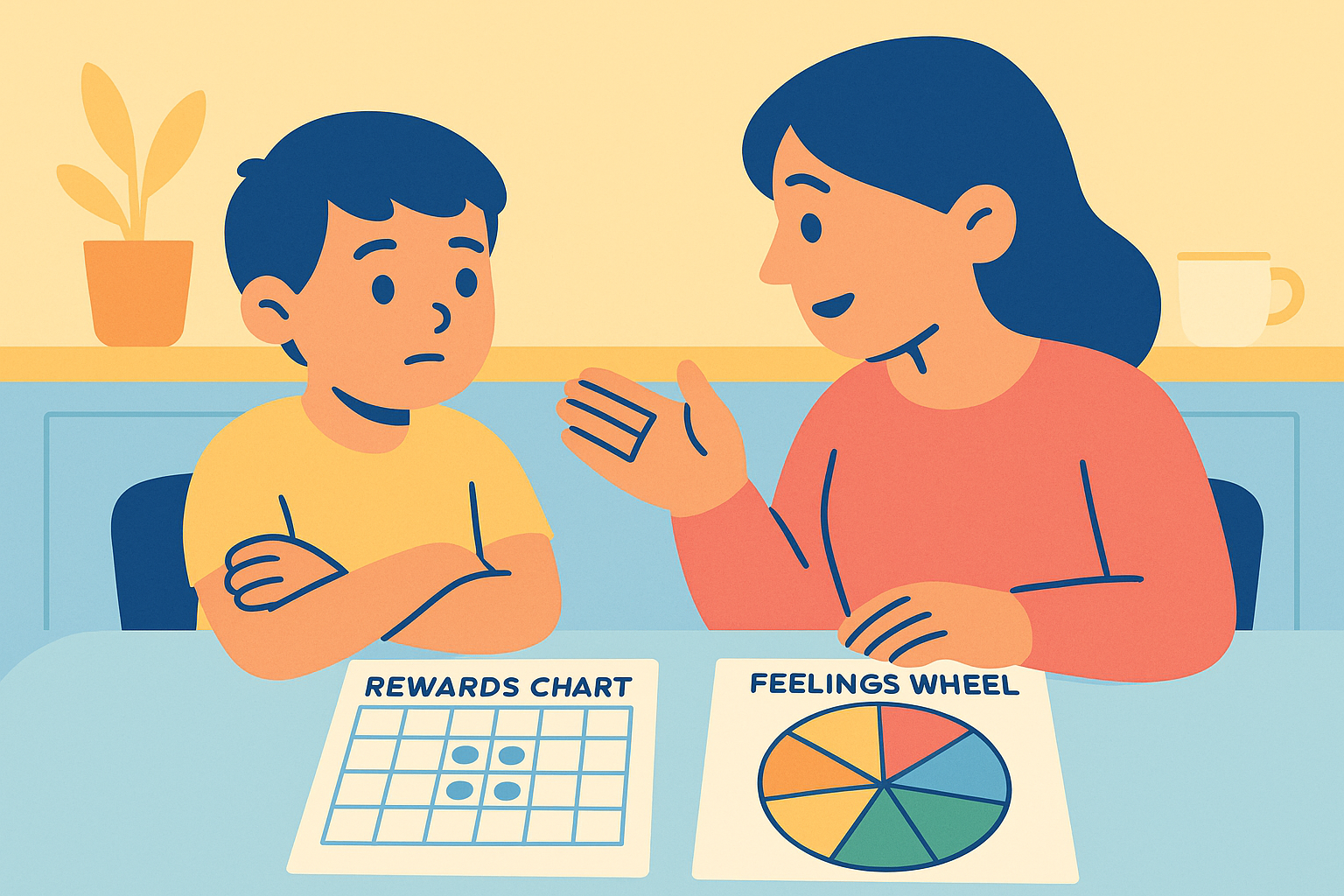
How to Manage Oppositional Defiant Disorder: Practical Insights for UK Parents Facing Behavioural Challenges
Understanding your child’s behaviour is never easy—especially when it feels like every day brings new outbursts, arguments, and defiance. If you're a parent or carer in the UK navigating these difficulties and beginning to suspect something more than just testing boundaries, you might be asking: could it be Oppositional Defiant Disorder (ODD)? This guide offers practical, compassionate insight into recognising the signs of ODD and managing everyday challenges. Whether you're awaiting support from the NHS or exploring helpful behaviours at home and school, you're not alone—and there are ways forward.What is Oppositional Defiant Disorder (ODD)?
Oppositional Defiant Disorder, usually referred to as ODD, is more than the typical backchat many children go through. It’s a persistent pattern of angry, irritable moods, argumentative behaviour, and defiance—especially towards authority figures like parents and teachers. ODD tends to emerge in early childhood or adolescence and can impact daily life, relationships, and success at school. While it appears more often in boys, it can affect children of all backgrounds. Factors like inconsistent discipline, family stress, or co-occurring conditions such as Attention Deficit Hyperactivity Disorder (ADHD) can also contribute to its development.Understanding the Challenges: Recognising the Signs
Children with ODD may often:
- Be easily angered or resentful
Support Options: What Helps Children with ODD?
There’s no one-size-fits-all solution for ODD, but research-backed strategies show that consistency, emotional regulation, and partnerships between home and educational settings can be effective. While cognitive behavioural therapy (CBT) is frequently recommended, support often also includes parent training programmes and school involvement. These treatments do not just focus on the child; they help adults understand how to respond to challenging situations with calm boundaries and thoughtful communication.For example:
- Encouraging alternative ways for children to express difficult emotions
Everyday Parenting Ideas That Can Help
Parenting a child with ODD isn’t about perfection—it’s about trying every day. Here are some small adjustments that can really help: – Rather than forcing compliance, offer two manageable choices. This supports autonomy while maintaining adult-led structure. – Acknowledge and validate your child’s emotions, even when setting limits. "I can see you’re upset. Let’s take a break before we talk more." – Identify common triggers (e.g. feelings of unfairness, changes in routine), and collaborate on coping strategies. – Allow space for your child to ‘win back’ control after defiance without shaming them. – Try to avoid immediate power struggles—sometimes leaving space lets both of you come back to the issue calmly. These approaches take time and won’t fix everything overnight. But they can reduce friction and help build connection.Working Together With School and Community Support
Your child’s school and wider support network can have a big impact. In the UK, schools have access to unique resources, and you’re entitled to request input from their Special Educational Needs Coordinator (SENCO). Collaborating with teachers, learning mentors, or support staff helps ensure consistent approaches. It’s also worth connecting with your local authority if you're considering an Education, Health and Care Plan (EHCP). While the process can be lengthy, involving both NHS and local educational services, it could unlock long-term support. Other community professionals—like your GP, therapist, or family support workers—can also help guide assessment or offer support suggestions. If you’re already on a waiting list for specialist appointments, it may benefit you to explore private consultations while you wait.Support While Navigating Waits: How ChildWize Can Help
At ChildWize, we know how disheartening long NHS waiting times can feel when your child is struggling. That's why our platform allows UK families to connect with experienced specialists by booking appointments or asking questions online. We don’t offer advice or diagnosis ourselves—but we help you reach trusted, qualified professionals who can. Whether you're exploring parenting strategies, seeking professional input about ADHD and ODD, or needing guidance around educational needs, ChildWize offers a pathway toward that support.You’re Doing Better Than You Think
Parenting a child with behavioural challenges isn’t easy—but your efforts matter. Even when it feels tough, every attempt to stay calm, set loving limits, or seek outside support shows strength. With the right community, guidance from professionals, and a little patience, things can get better. Ready to explore support that fits your child’s needs? Connect with trusted professionals at www.childwize.co.uk and take the next step on your journey.Related Services
ADHD Assessment & Support
If your child struggles with focus, impulsivity, or restlessness, our specialists can assess and support them without long NHS waits.
Learn more →Behavioural Support
If your child's behaviour is causing concern at home or school, our specialists help you understand what is driving it and how to respond.
Learn more →Educational & SEND Support
Navigating the SEND system can be overwhelming. Our specialists help you understand your child's rights and get the support they need at school.
Learn more →