
Managing Aggression & Tantrums in SEN Children
By ChildWize ·
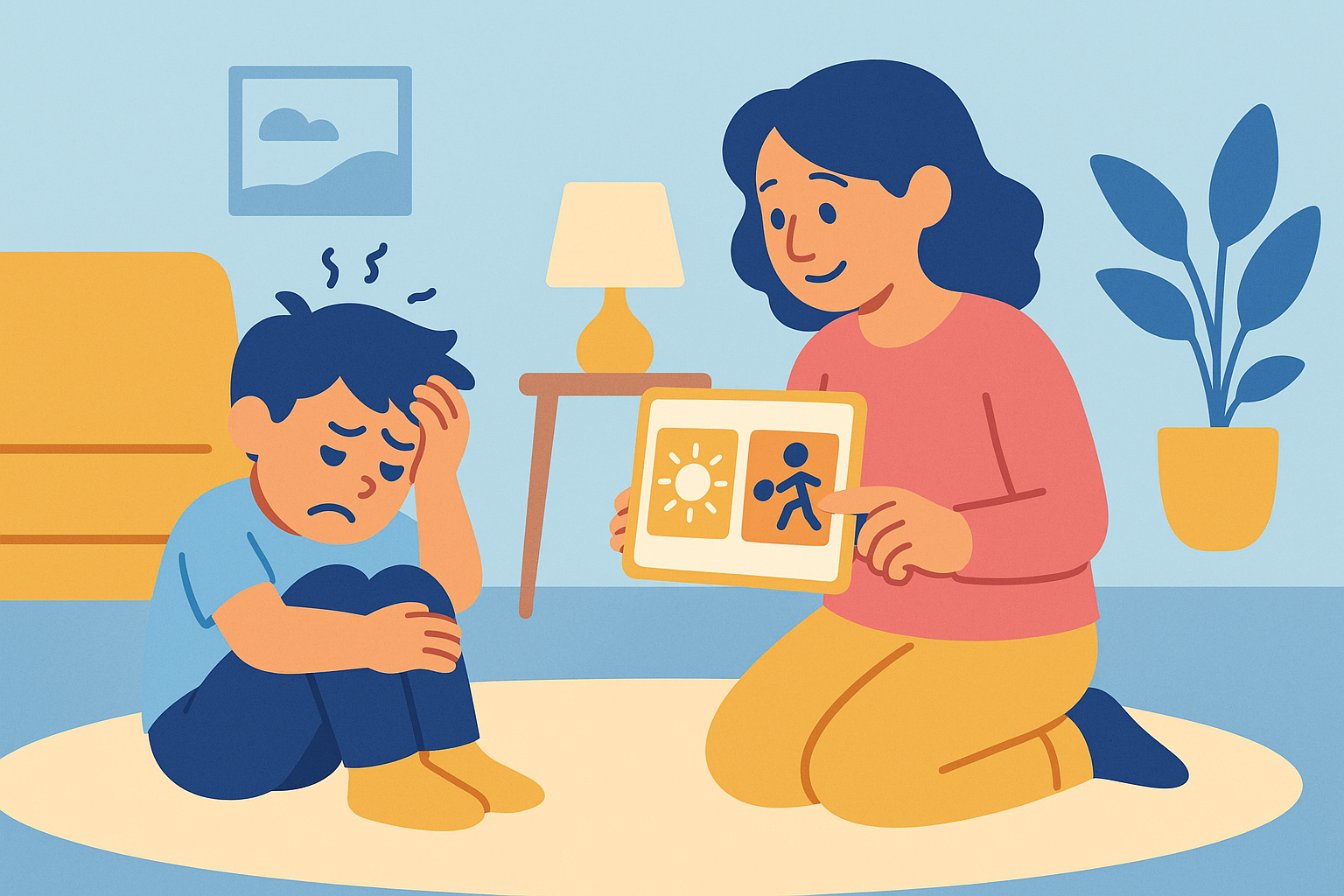
Helping Your Child Thrive: Managing Aggression, Tantrums, and Defiance in Children with Special Educational Needs (SEN)
Parenting a child with Special Educational Needs (SEN)—like Autism Spectrum Disorder (ASD) or Attention Deficit Hyperactivity Disorder (ADHD)—comes with moments of joy, but also challenges that can feel overwhelming. When aggressive behaviour, frequent tantrums or patterns of defiance surface, it can leave parents feeling exhausted, out of their depth, or even unsure where to turn. At ChildWize, we know how hard it can be. That's why we help families connect with trusted professionals—especially when stuck on long NHS wait lists. You’re not alone on this journey.Understanding Challenging Behaviour in SEN Children
Children with special educational needs often express frustration or emotional overload through behaviours that look like aggression or defiance. It’s not about being ‘naughty’—it might stem from sensory overload, communication difficulties, or feeling misunderstood. For many UK parents, recognising that these behaviours are signals—not personal failures—can be an important first step. Signs that behaviour may need consistent support include daily tantrums that disrupt routines, screaming or hitting during transitions, or defiance that impacts school or home life.What Causes Tantrums and Aggression?
For a child with Autism Spectrum Disorder or ADHD, even small things—like a change in schedule or feeling overstimulated—can trigger intense reactions. These behaviours often reflect a struggle with self-regulation rather than wilful misbehaviour. Understanding the why behind it all can make a real difference. With the right help, many families move from chaos to calm—one small change at a time.Parenting Strategies That Make a Difference
While there’s no one-size-fits-all solution, certain approaches can help reduce conflict and build stronger emotional bonds.- Stay consistent—even when it feels exhausting. Predictable responses help your child feel safe.
When Professional Help Is Needed
Sometimes, no matter how hard you try, you still feel stuck. That’s okay. Parenting a neurodivergent child can feel isolating, especially during long NHS delays. That’s where ChildWize comes in—by helping you connect with qualified professionals who understand your family’s needs. Whether you're concerned about the signs of ADHD or have questions about managing sensory overload, speaking to a professional can offer clarity and hope. Our platform exists to make accessing help a bit easier—so you don’t have to do this alone.Gentle Reminders for UK Parents
- It’s okay if your parenting looks different from others’.
Taking the Next Step
No parent should feel like they’re reaching the end of their rope alone. If your child’s behaviour is becoming difficult to manage, or you just need guidance, it’s okay to reach out. ChildWize helps families in the UK connect with experienced specialists—from behavioural experts to speech and language professionals. Especially when the NHS wait feels endless, knowing there’s another way to get started can ease a heavy load. Discover supportive connections that could make a real difference. Visit www.childwize.co.uk to learn how to get started. You and your child deserve support that understands the uniqueness of your journey.Related Services
Autism Support & Assessment
If you think your child may be autistic, our specialists can help you understand their needs and get the right support in place.
Learn more →ADHD Assessment & Support
If your child struggles with focus, impulsivity, or restlessness, our specialists can assess and support them without long NHS waits.
Learn more →Behavioural Support
If your child's behaviour is causing concern at home or school, our specialists help you understand what is driving it and how to respond.
Learn more →