
Managing ADHD Medication & Appetite | UK Parent Guide
By ChildWize ·
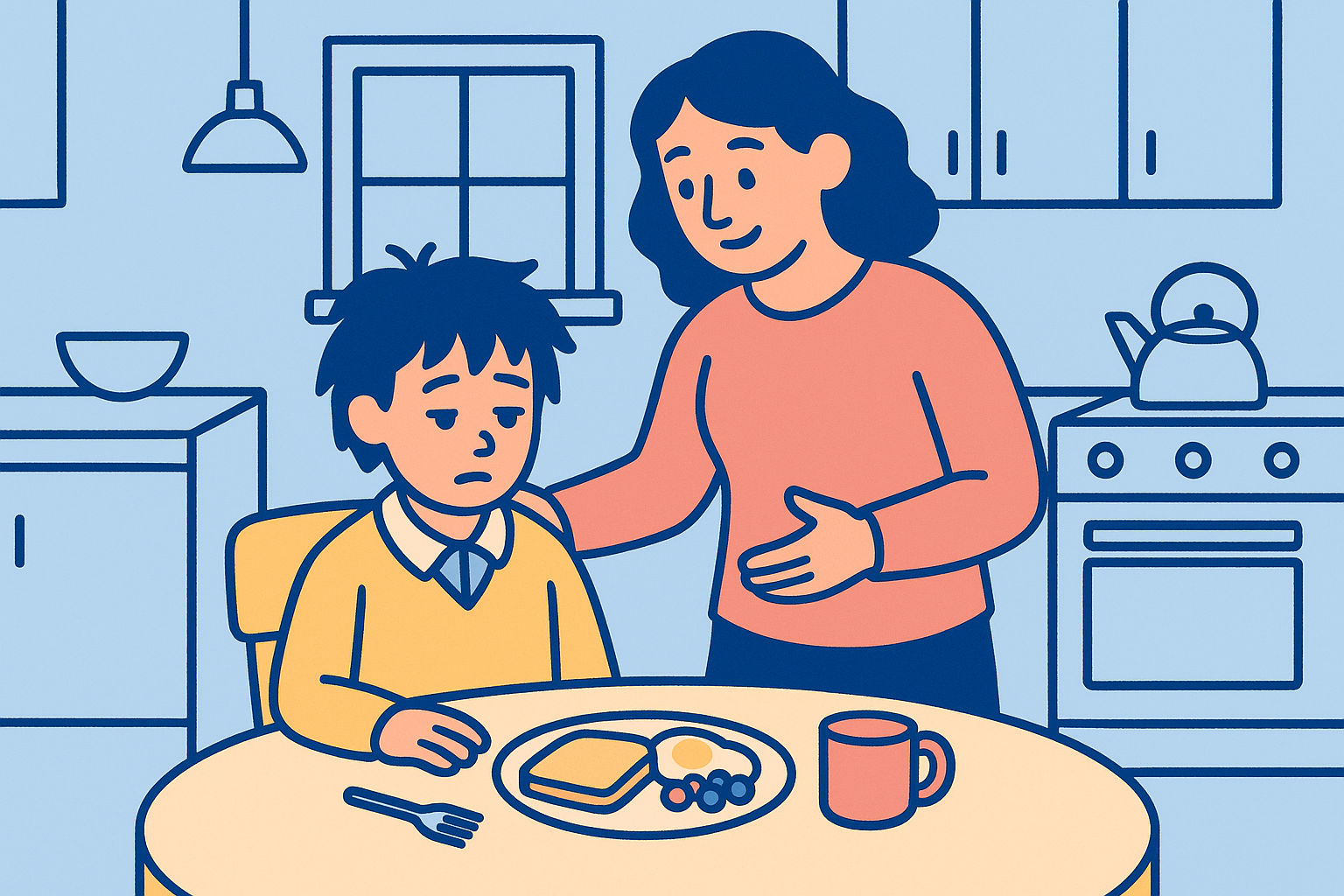
Managing Appetite Challenges from ADHD Medication: A Supportive Guide for UK Parents
Supporting a child with Special Educational Needs (SEN) takes compassion—and a lot of patience. If your child has Attention Deficit Hyperactivity Disorder (ADHD), you may have already seen how some ADHD medications affect their eating habits. These side effects can raise real concerns around nutrition and growth. At ChildWize, we know how tough it can feel waiting for NHS appointments while trying to make the right everyday choices. That’s why we help UK parents connect with qualified specialists—to get support while you wait. Let’s look at what appetite loss can mean and how to gently manage it with help from professionals.How ADHD Medication Can Affect Your Child’s Appetite
Stimulant medications, including methylphenidate (like Ritalin) and dexamphetamine, are commonly prescribed to children with ADHD across the UK. While they can help with focus and behaviour, they may also reduce a child’s appetite when active in the body. That’s why you might notice your child eating less during school hours or feeling full quickly at mealtimes. Some parents also notice mild weight loss or slower growth over time. Changes like these can feel upsetting—especially when you're waiting to see a paediatrician or get updates from your GP.Encouraging Nutrition When Their Appetite Is Low
There’s no perfect answer, but some gentle changes may help: Try a filling breakfast before medication kicks in—something hearty like porridge, eggs, or toast with nut butter gives them energy to start the day. Offer snacks in a low-pressure way through the day. Kids with ADHD might respond well to finger-friendly, colourful bites like grapes, crackers, or cubes of cheese. Make after-school snacks count. Since appetite can return later in the day, this is a good time to offer energy-rich foods they’ll enjoy. Parents sometimes explore high-calorie, nutritionally balanced supplements after checking with specialists. Don’t be afraid to ask questions—support exists.Talking to Professionals If You're Concerned
If your child is losing weight or doesn't seem to be growing well, don’t wait to bring it up. Whether it's your NHS paediatrician or a private specialist found through platforms like ChildWize, having open conversations about medication side effects is key. Possible steps a specialist might take include adjusting the dosage, reviewing other medication types (like non-stimulants), or reviewing mealtime routines to better support their needs. And remember, growth isn’t just about food—it’s also linked with good sleep, low stress, and physical activity.Keeping Track: Regular Monitoring Matters
Even with long wait times, children with ADHD medication should have regular reviews—ideally every 6 months. These appointments help make sure:Their weight and height are being tracked
Side effects like appetite loss aren’t affecting wellbeingThe medication is still the right fit for their needs
Meanwhile, tracking routines at home—like sleep patterns, screen time, or mood changes—can help you feel less in the dark when it's finally time to speak with a GP.Daily-Life Tips Tailored to UK Families
Many UK families find themselves juggling NHS delays, school meetings, and applications for supports like Carer’s Allowance or a Blue Badge. Here's what you can do: Talk to your child’s school or Special Educational Needs Coordinator (SENCO) about lunchtime routines—ask if snacks can be offered quietly to avoid pressure. Mention appetite concerns in EHCP (Education, Health and Care Plan) reviews where relevant. Check if your child qualifies for extra help, such as support from a teaching assistant at meal or transition times. While these steps won’t fix everything overnight, they make a real difference in daily stress.You Deserve Support While You Wait
Looking after your child’s health while managing medication effects can feel lonely—but it doesn’t have to. Through ChildWize, UK families can connect with qualified specialists for consultations and answers, helping you move forward even while on long NHS waitlists. Want to talk through concerns about appetite and growth in a safe environment? Visit www.childwize.co.uk to explore how you can connect with paediatric specialists, occupational therapists, dietitians and more. You’re already doing an amazing job. And with the right support, you don’t have to do it alone.Related Services
ADHD Assessment & Support
If your child struggles with focus, impulsivity, or restlessness, our specialists can assess and support them without long NHS waits.
Learn more →Educational & SEND Support
Navigating the SEND system can be overwhelming. Our specialists help you understand your child's rights and get the support they need at school.
Learn more →Family Therapy & Parent Coaching
Family life can be stressful when a child is struggling. Our therapists help the whole family communicate better and build stronger relationships.
Learn more →