
Helping Your SEN Child Stay Organised in the UK
By ChildWize ·
Helping Your SEN Child Stay Organised: Memory Support Tips for UK Parents
If you're a parent of a child with Special Educational Needs (SEN), you’ve likely experienced the daily challenges of helping them keep track of their things or remember instructions. Whether it's a forgotten lunchbox or school bag left behind, these small moments can feel overwhelming — both for you and your child. But there are practical, compassionate ways you can support your child’s development without taking over. Let’s explore supportive strategies to help build memory and organisational skills — all while nurturing your child’s independence and self-confidence.What Is Prospective Memory — and Why Does It Matter?
Every day, children rely on their memory to remember where things are, follow instructions, and manage daily routines. One part of memory known as 'prospective memory' is especially important — it helps us remember to do things in the future, like bringing their reading book or attending a school club after class. Prospective memory relies on a child’s executive functioning — the mental processes that manage attention, planning, and decision-making. When these skills are still developing or more difficult — as is often the case for children with ADHD (Attention Deficit Hyperactivity Disorder) or other SEN needs — memory struggles may become more noticeable.Building Better Routines: A Foundation for Independence
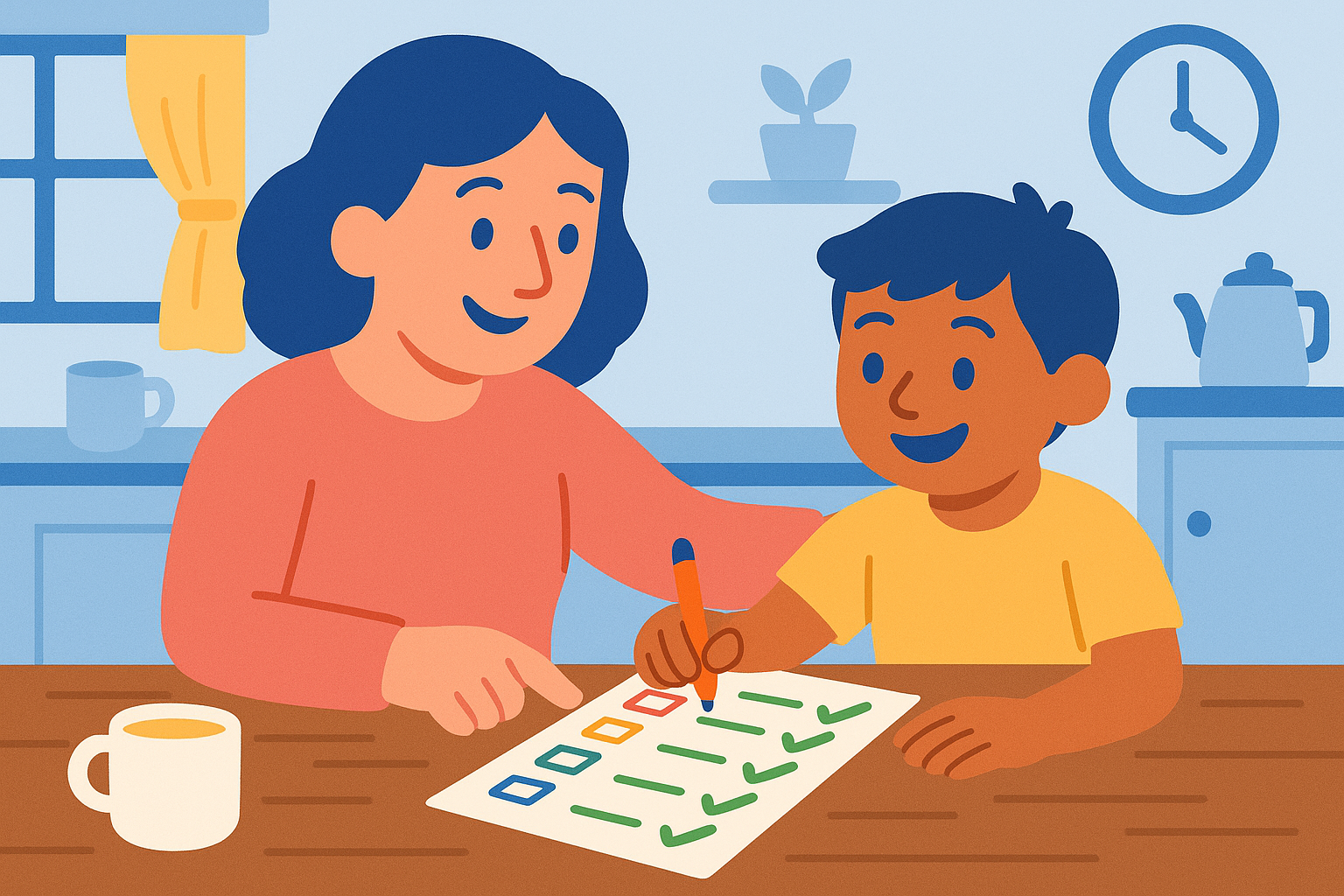
A good place to start is with consistent routines. When daily tasks become second nature — packing their PE kit or brushing teeth in a certain order — it reduces stress and supports memory in a natural way. Involving your child in creating their own routines gives them a sense of control and ownership. Try talking through plans together at the start of the day or using picture schedules and checklists that your child helps design. These small changes empower your child while gently guiding them.Helping Them to “Think About Thinking”
Children, especially those with SEN, often benefit from learning how to recognise their own thinking patterns. This is called ‘metacognition’ — essentially helping your child understand how they learn and remember. You might start by asking questions like “What helped you remember your homework today?” or “Was there something that made it tricky to pack your bag this morning?” It’s not about pointing out errors, but helping your child spot what works for them so they can build on it.Every Child’s Needs Are Unique
Some children may face more pronounced challenges with organisation and memory, particularly those with conditions such as ADHD (especially the inattentive type) or developmental delays. Others may experience executive functioning weaknesses that make day-to-day routines harder. If you're finding that your child’s struggles are persistent and affecting their everyday life, it's perfectly okay to ask for support. A conversation with your child’s teacher, Special Educational Needs Coordinator (SENCO) or GP is a good place to start. You might also connect with teaching assistants or support staff at your child's school. These professionals can help assess your child’s needs and recommend if an Education, Health and Care Plan (EHCP) might be helpful.Creating a Home Environment That Supports Growth
Children thrive when they're met with compassion rather than criticism. If your child forgets something or loses focus, try to see it through a lens of empathy, not frustration. These incidents are often less about defiance and more about developmental needs — especially when a child is navigating SEN challenges. Use these moments to explore solutions together. Ask what could help next time and guide them in creating a new reminder or visual prompt. Over time, these small teaching moments lay the groundwork for self-reliance.Real-Life Tips for UK Families
Living in the UK means navigating support structures like the NHS and your local authority. But accessing expertise isn’t always fast — NHS services, especially for SEN referrals, can involve long wait times. In the meantime, simple things at home can make a big difference:- Celebrate small wins together — remembering a task or planning ahead, even once, deserves recognition.