
Helping SEN Children Through Grief | ChildWize Blog
By ChildWize ·
Helping SEN Children Through Grief: What We Can Learn From Lilo & Stitch
When a child with special educational needs (SEN) experiences grief, the emotional journey is rarely straightforward. As a parent or carer in the UK, you may be trying to navigate this tough road while also facing NHS wait times, limited access to specialists, and a lack of clear direction. The story of Lilo & Stitch offers surprising parallels—showing how children manage big emotions, how grief can feel isolating, and the importance of connection. Let’s explore how stories like Lilo’s can help us understand the grieving process for SEN children, and what steps you can take as a UK parent to support that difficult journey.How Children With SEN Experience Grief
Grief can look different for every child—and for children with SEN, their expressions of grief may be more internalised or misunderstood. You might notice changes in behaviour like social withdrawal, sleep difficulties, or anger. In Lilo & Stitch, Lilo's actions—misunderstood by those around her—shine a light on how grief often hides behind behaviour. For families managing ADHD (attention deficit hyperactivity disorder), autism spectrum conditions, or other neurodiverse profiles, it's important to remember that grief is not a one-off event. Children might return to it in different ways as they grow. Creating space for these feelings—even when they’re hard to understand—can be healing in itself.Feeling ‘Different’ in Times of Loss
In the film, Lilo’s grief sets her apart, and others respond by excluding her. Sadly, many children with SEN already feel different—and a significant loss can deepen that divide. You may notice your child struggling more than usual with school transitions, friendships, or morning routines. Understanding that grief can amplify feelings of isolation can help you respond with more patience and empathy. Keep in mind, your child may already be navigating other challenges too, such as access to a Special Educational Needs Coordinator (SENCO), managing an Education, Health and Care Plan (EHCP), or adapting to changes in the classroom. Staying consistent with routines, offering verbal reassurance, and remaining close—even quietly—can affirm their sense of security.Grief is a Journey That Changes with Age
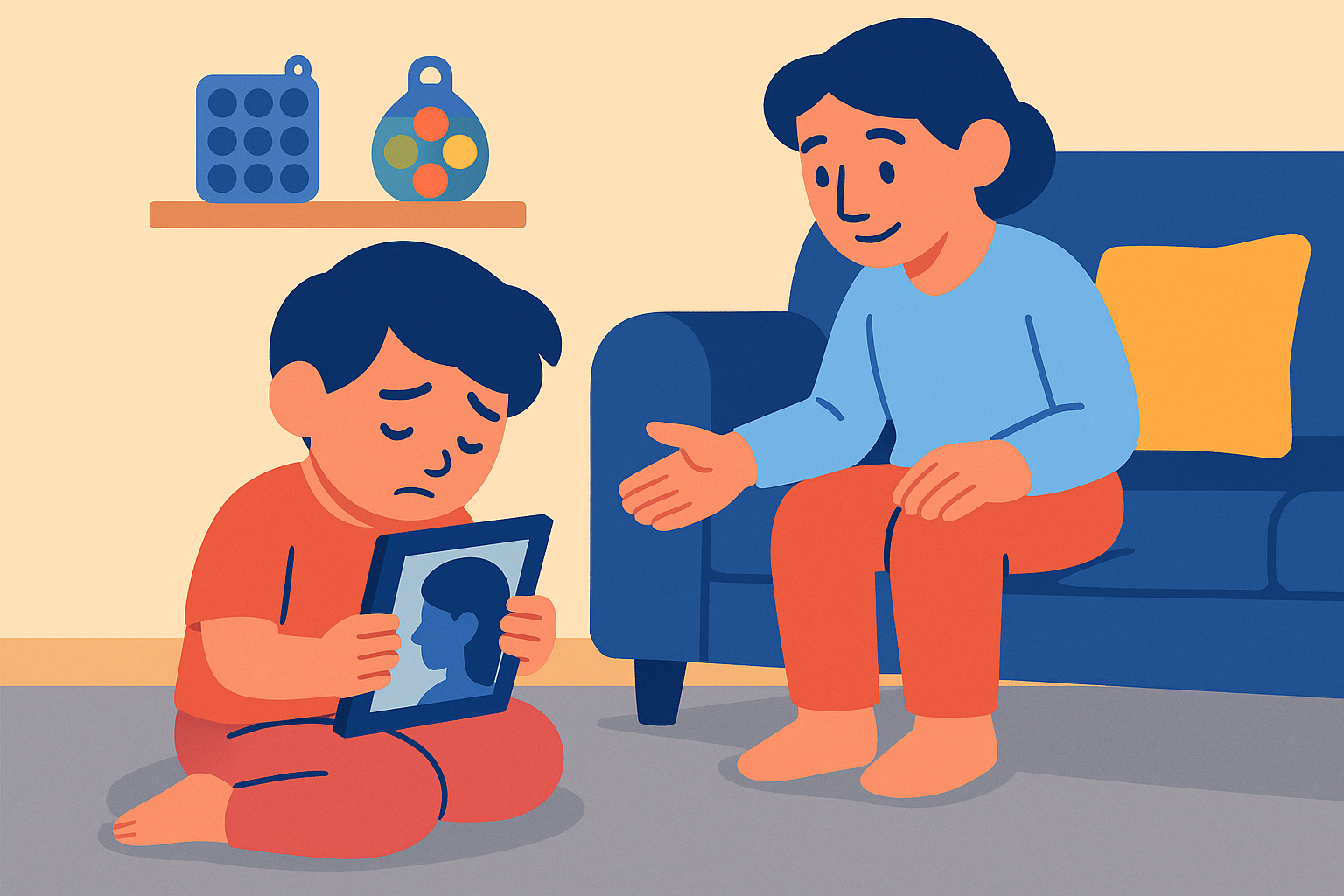
Grief isn’t just a moment—it unfolds over time. Children revisit grief in new ways as they develop. What they couldn’t express at age five may be processed differently at age ten. This is especially relevant for children with communication or processing differences, including those with autism, ADHD, or learning delays. Lilo holds onto her memories through photos and stories—a concept psychologists call ‘continuing bonds’. Parents often report that children may want to relive rituals or repeat questions weeks or months after a loss. Allowing space for these rituals can be a comfort. Sometimes just saying “Yes, I still miss them too” is all that's needed.Why Connection Heals More Than Solutions
No fix can erase grief, but connection lays the groundwork for healing. In Lilo & Stitch, healing doesn’t come from answers—it comes from love, consistency, and being seen. Similarly, children with SEN often benefit from connection even when words fall short. You don’t need to have all the right answers. But showing up—by preparing their favourite breakfast, sitting with them during quiet moments, or making space for questions—can help reduce emotional overwhelm. It’s also okay to ask for help. If you’re on a waiting list for NHS counselling or CAMHS (Child and Adolescent Mental Health Services), you don’t have to sit in limbo alone. There are platforms that connect parents with specialists who understand SEN and grief.What Parents and Carers Can Do Right Now
You might feel unsure about what to say or do—but even small things make a difference: Keep routines going: Regular mealtimes and sleep schedules offer comforting predictability. Open up space for feelings: Let your child talk without correcting them. Long silences are okay too. Get support for yourself: It’s harder to support a grieving child when you're struggling yourself. Speaking to someone who understands can help. If you’re exploring support while waiting for NHS services, ChildWize can help you connect with trusted specialists through appointments or Q&A conversation formats. Whether you’re looking for guidance on emotional behaviour or want to speak with someone who understands developmental differences, you don’t have to face it alone.Finding Support With Connection in Mind
At ChildWize, we hear from parents every day who are balancing NHS waiting times and complex family needs. Our platform exists to make it easier to reach qualified professionals who specialise in SEN and emotional wellbeing. We know you're doing your best—and sometimes, just talking it through makes all the difference. If navigating grief with your child feels overwhelming, visit www.childwize.co.uk to explore connections with people who truly understand what you’re facing. Because no family should have to go through this alone—even when the system makes it feel that way.Related Services
Child Psychology
If your child is struggling with their emotions, behaviour, or mental health, our child psychologists provide compassionate, expert support.
Learn more →Educational & SEND Support
Navigating the SEND system can be overwhelming. Our specialists help you understand your child's rights and get the support they need at school.
Learn more →