
Empowering SEN Kids Online | UK Digital Safety Tips
By ChildWize ·
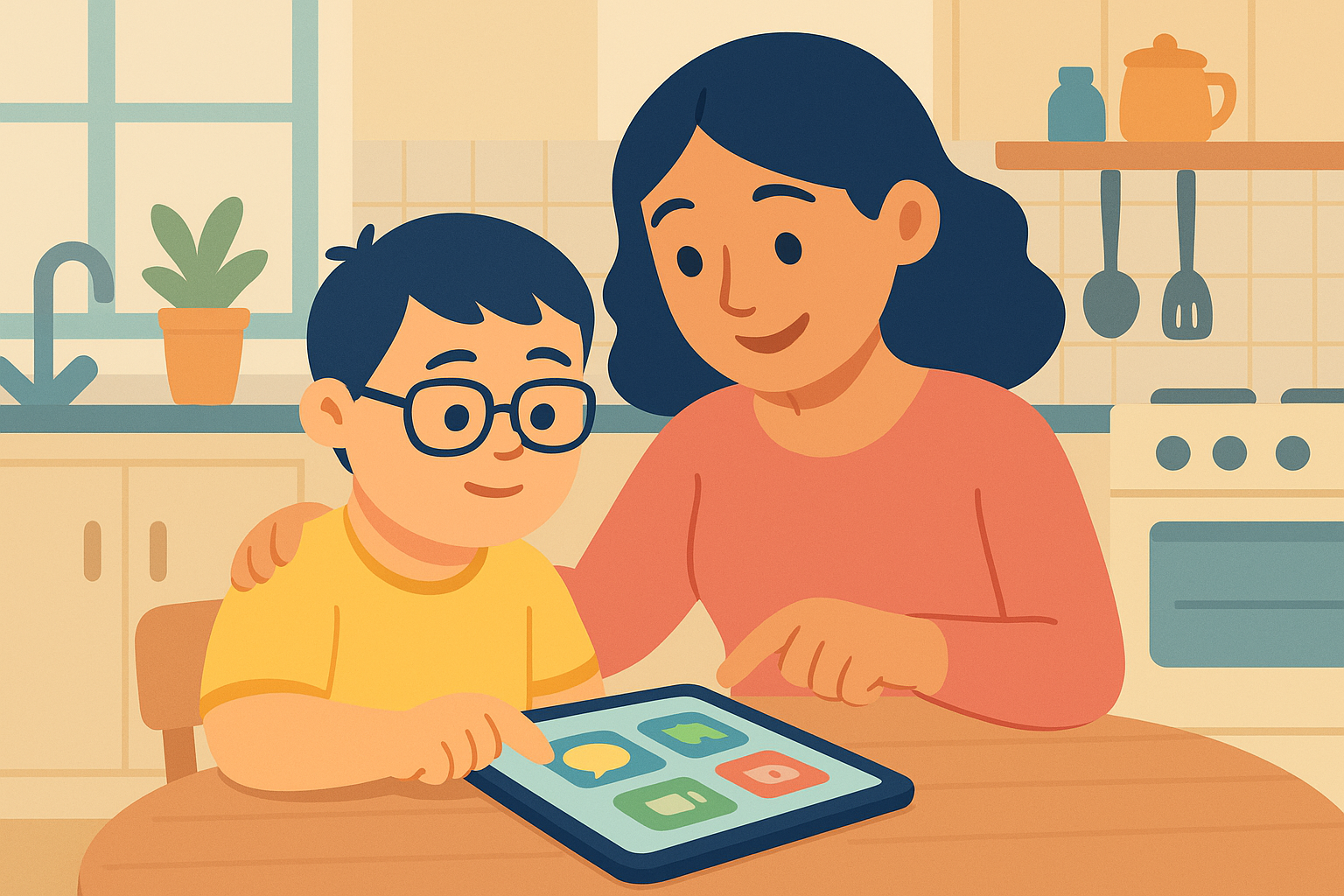
Empowering SEN Families: Helping Children with Disabilities Stay Safe and Thrive Online in the UK
As a parent or carer of a child with Special Educational Needs (SEN), you’ve probably asked yourself how to balance the opportunities and risks that come with growing up in a digital world. With NHS wait lists making it harder to get timely advice and guidance, families often feel stuck when it comes to protecting and empowering their children online. But there’s good news—it is possible to create positive and safe digital experiences, even for children with complex needs or communication challenges. Whether your child has Autism Spectrum Condition, ADHD (Attention Deficit Hyperactivity Disorder), Down Syndrome, or another diagnosis, the online world can offer connection, independence, and learning—when approached with understanding and support.Supporting Independence with the Right Digital Tools
For many children with disabilities, the right technology can become a bridge to greater confidence. From speech-to-text and text-to-speech tools to calendar apps that encourage routine or platforms that support social learning, digital tools offer ways to reduce anxiety and increase autonomy. For example, a child with Down Syndrome might enjoy engaging with structured visual learning games, while a young person with speech difficulties might benefit from accessible communication apps. These tools not only nurture independence but also enable more meaningful interactions at home and school.Encouraging Safe, Empowering Online Use
Instead of relying solely on restrictions, focusing on inclusive and empowering online strategies can make a lasting difference. Children with SEN often have unique needs around communication, understanding social cues, or managing sensory input—and those differences should guide how we talk about digital safety. Start by having honest conversations about your child’s online life. What do they enjoy? What confuses or unsettles them? Use these discussions to gently introduce topics like privacy, respectful communication, or online boundaries. Safety tools like parental settings are useful, but they work best when paired with emotional support and skills-building. Tailored lessons about online safety, delivered in ways your child understands—like using visual schedules or narrated content—can also make tough topics easier to grasp. Many families find using everyday routines to reinforce online skills helpful, like practicing what to do if something online feels “not quite right.”Realistic Digital Safety Tips for UK Parents
• Talk early and often about your child’s digital experiences—especially their emotions around what they see and do. • Use online safety resources that suit your child’s learning style. For visual learners, picture cards and short animations can help. • Encourage small steps toward independence—like safely using an app or setting a password together. • Look into tools or technologies that help your child communicate or organise their day. Features like calendar alerts or speech-to-text apps can support children with ADHD, autism, or delayed language development. • Above all, stay gentle and flexible. Every child moves at their own pace, and what works one week might need adjusting the next.The Role of Connection—You Don’t Have to Navigate This Alone
We know that many UK families are facing long NHS wait lists to access the expert advice their children need. At ChildWize, we connect families with qualified specialists who understand the digital and developmental challenges children with SEN face. Whether you're wondering how much screen time is okay or what signs to watch for when it comes to online safety, connecting with a specialist through ChildWize can help you feel more confident. Many families we've worked with have questions about technology use, especially when applying for support services like a Blue Badge or a Carer’s Allowance. Those needs often overlap with concerns about digital wellbeing. You’re not supposed to figure everything out on your own. By building a supportive community and access path to trusted professionals, ChildWize helps families untangle the challenges of raising a digitally active child with SEN needs.Ready to Take the Next Step?
If you’re looking for a judgment-free space to ask your questions or book an appointment with someone who understands, ChildWize is here to help connect you. Visit www.childwize.co.uk to explore how we can support your family's next steps on your child’s safe and confident digital journey. Together, we can help shape a digital world that welcomes every child, exactly as they are.Related Services
Speech & Language Therapy
If your child is struggling to communicate, our qualified speech and language therapists are here to help your child find their voice.
Learn more →Educational & SEND Support
Navigating the SEND system can be overwhelming. Our specialists help you understand your child's rights and get the support they need at school.
Learn more →