
Emotional Development in Boys: A Guide for UK SEN Parents
By ChildWize ·
Understanding Emotional Development in Boys: Debunking Myths and Supporting Behavioural Changes
For many UK parents raising children with special educational needs, there's no shortage of opinions shared online or in the playground. One persistent belief is the idea of a sudden testosterone surge in boys around the age of four — something often blamed for emotional outbursts or behavioural changes. But is there any truth to this? Let’s explore what we really know about boys’ emotional development, especially for parents managing additional neurodiverse needs such as ADHD (Attention Deficit Hyperactivity Disorder) or autism. Whether you're waiting for a diagnosis or navigating the support system, understanding what impacts behaviour can make all the difference.Is There Actually a Testosterone Surge in Four-Year-Old Boys?
This popular myth is often linked to psychologist Steve Biddulph, who has discussed developmental patterns in boys. But while hormones do play a part in child development, research hasn't confirmed any dramatic testosterone spike at age four. What we do know is that children’s behaviour at this age — regardless of gender — is usually shaped by their environment, family relationships, neurological development, and emotional maturity. Rather than searching for a biological explanation, it’s often more helpful to look at how children are coping emotionally, especially in settings like nursery, or when routines change.How Boys’ Brain Development Affects Their Behaviour
From early childhood, boys and girls can show different tendencies — many of which are influenced by prenatal factors like hormones and brain development in infancy. Boys might appear more physical in play or less verbal when expressing emotions, but this doesn’t mean they’re less emotionally aware. For parents of boys with special educational needs, understanding these differences can help reduce the pressure to 'fix' behaviours. For example, a school-age boy with Down syndrome or ADHD might struggle with transitions or processing loud environments. Recognising the cause of the behaviour, rather than reacting to the behaviour itself, opens up more supportive approaches.Emotional Regulation: A Skill Every Child Needs to Learn
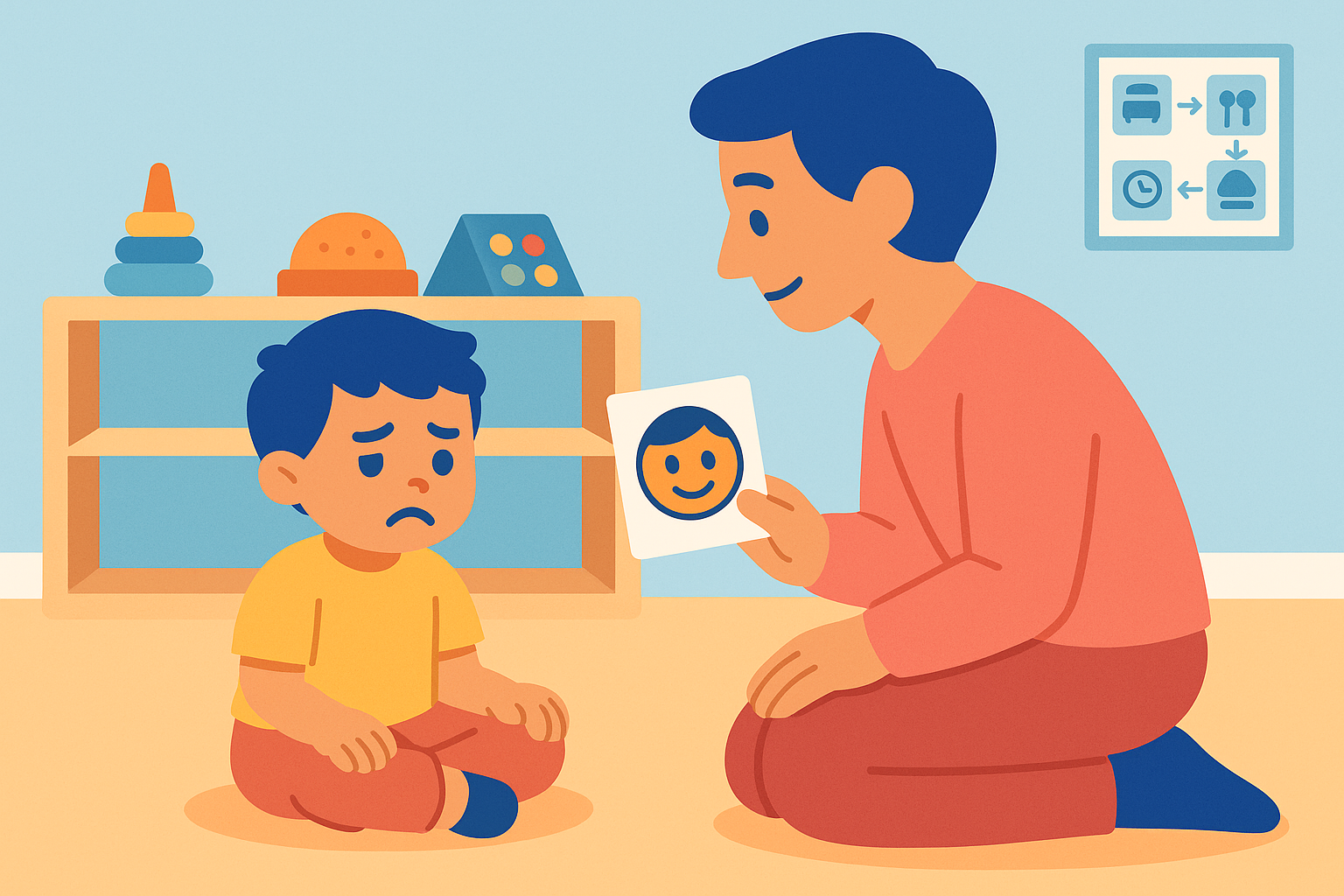
Whether it’s frustration during a morning routine or a meltdown at soft play, many behaviours boil down to one thing: emotional regulation. Children — especially those waiting for an Education, Health and Care Plan (EHCP) or working with a Special Educational Needs Coordinator (SENCO) — may not have the tools to express what they’re feeling or why. And that’s completely normal. Emotional regulation is a skill that takes time to build. It’s messy, it’s loud, and it’s deeply human. Supporting this process doesn’t require perfection — just consistency, compassion, and tools that work for your family. Consider what your child’s day looks like. Do they know what’s coming next? Is there a calm routine before transitions? Are there chances to talk about feelings using visuals or simple language? Tools like these help children start making sense of their emotional world — especially if they’re also managing neurodiverse traits.When It's Time to Ask for More Help
Sometimes, despite your best efforts, your child might continue to feel overwhelmed. Their behaviour might cause distress at school, or you might notice growing gaps between what they need and what support is available. Whether you're on an NHS waiting list, applying for DLA (Disability Living Allowance), or wondering if a blue badge is possible for mobility concerns — you’re not alone. When questions around anxiety, past trauma, or unresolved sensory needs start surfacing, that’s often the time many families consider connecting with a professional. A child psychologist, occupational therapist, or play therapist could help pinpoint what’s really going on. And this is where ChildWize comes in. Instead of waiting months — or even years — for NHS referrals, ChildWize helps families like yours connect directly with qualified specialists. You can ask questions or book a one-to-one appointment right on the site. It’s about access, not advice — and finding the right support when you need it most.Making Space for Growth: Little Changes That Help
Big changes usually start with small wins at home. Here are a few things that can gently support emotional growth: When they explode, you stay grounded. Children mirror our emotional state — calm breeds calm, even when it takes time to show. Create your own rhythms: whether it’s a consistent breakfast table chat or a cosy bedtime story every night, routines bring predictability. Talk about feelings when things are calm. 'You looked upset earlier — want to tell me why?' builds emotional language and trust. Praise what you want to see more of. Not just 'good boy', but specific feedback like 'that was kind when you helped your brother'. And when the path gets bumpy? Don't go it alone. Whether you're working with a teaching assistant at school or just starting to ask questions, you're part of a bigger community of families who get it. Visit www.childwize.co.uk to explore connections with experienced professionals who understand everything from ADHD to behaviour challenges, and everything in between. Let’s make it easier to access the insights that empower you — because every parent deserves to feel supported, and every child deserves a chance to thrive.Related Services
ADHD Assessment & Support
If your child struggles with focus, impulsivity, or restlessness, our specialists can assess and support them without long NHS waits.
Learn more →Child Psychology
If your child is struggling with their emotions, behaviour, or mental health, our child psychologists provide compassionate, expert support.
Learn more →Behavioural Support
If your child's behaviour is causing concern at home or school, our specialists help you understand what is driving it and how to respond.
Learn more →