
Effective Anti-Bullying Policies in Schools During Anti-Bullying Week
By ChildWize ·
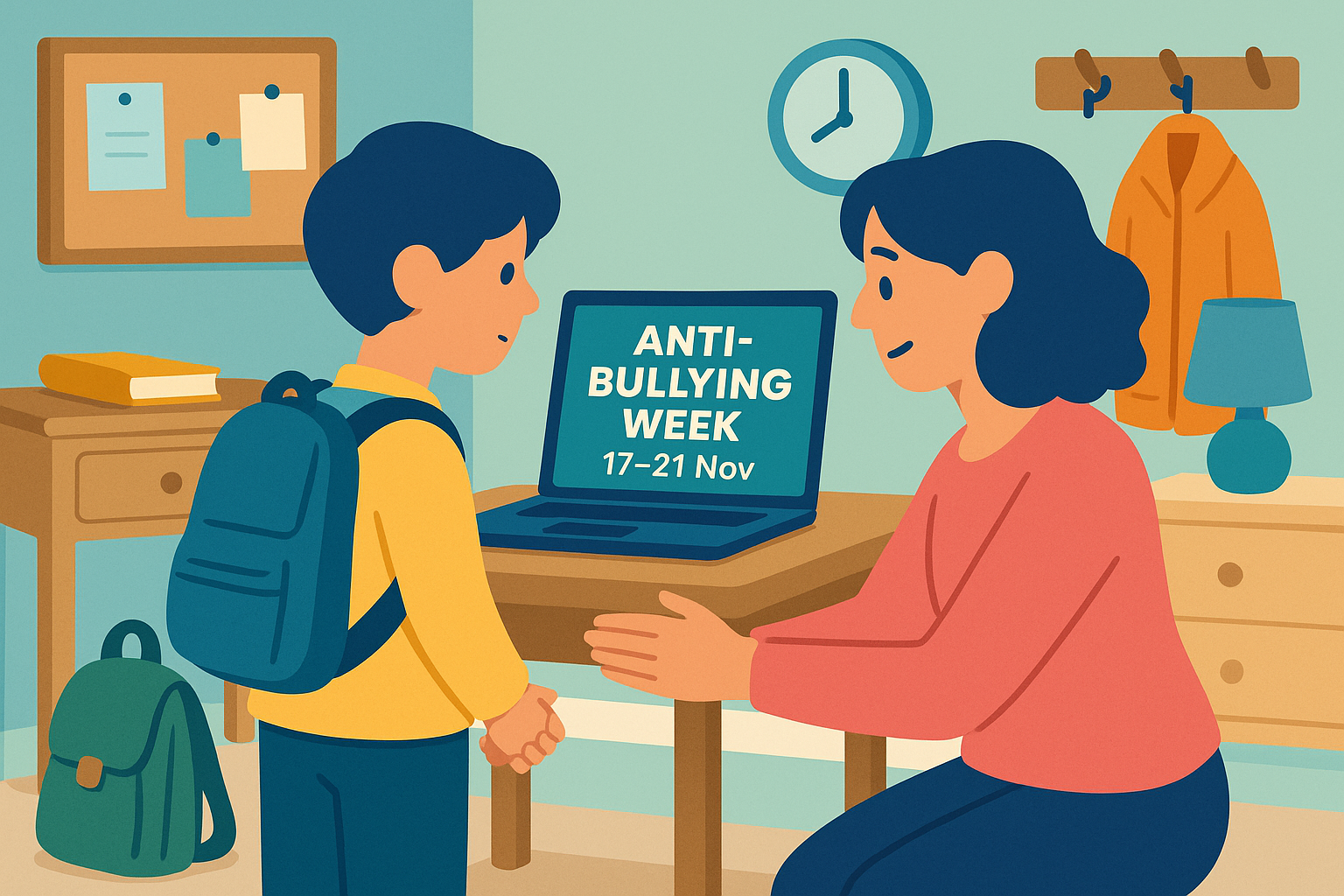
Effective Anti-Bullying Policies in Schools During Anti-Bullying Week
Introduction
As Anti-Bullying Week approaches, it's crucial for educators, particularly in SEN schools, to reassess and strengthen their anti-bullying policies. This period offers a unique opportunity to highlight the importance of creating a safe and inclusive environment for all students, especially those with special educational needs. SEN students often face unique challenges that can make them more vulnerable to bullying, making it imperative that schools have robust, tailored strategies in place. The focus of this article is to provide practical approaches and insights on how to enhance anti-bullying policies effectively during this critical week.Why This Matters Now
Anti-Bullying Week shines a spotlight on the ongoing efforts needed to combat bullying in every educational setting. For SEN schools, this week is not just about raising awareness but is a pivotal time to implement and review anti-bullying policies that address specific vulnerabilities of SEN students. Effective policies not only prevent bullying but also promote a culture of understanding and resilience, supporting every student's right to learn in a safe environment.Practical Strategies
Develop Inclusive Policy Frameworks
Begin Anti-Bullying Week by collaboratively reviewing your school's current policies with the input of all educational staff, pupils, and parents, especially those from SEN backgrounds. Engage them in meaningful discussions to identify any gaps in the current approach. Inclusivity here means policies that recognize the varied needs of SEN students, adapting preventive measures and support systems to be genuinely accessible and effective.Tailor Awareness and Training Programmes
During Anti-Bullying Week, launch targeted training sessions for teachers and support staff that focus on the specific types of bullying that SEN students might face, including societal biases and misunderstanding clashing with disabilities. Training should be centred not just on recognition but also on swift, sensitive intervention techniques. Additionally, peer education sessions can empower students to understand and respect diversity, fostering a supportive peer culture.Monitor, Report, and Act
Effective monitoring systems are crucial. Introduce or enhance an incident reporting system specifically tailored to the sensitivities of SEN students. Such systems should be straightforward, accessible and guarantee confidentiality to encourage trust and use. This Anti-Bullying Week, make it a school-wide goal to ensure that every student understands how to report bullying, and that every report is met with immediate, constructive action.Planning Ahead
Post Anti-Bullying Week, carry the momentum forward by setting up quarterly reviews of the anti-bullying policies and practices. Utilise data collected during the week to identify trends and areas for improvement. Continue to engage the school community in these reviews to maintain a dynamic and responsive anti-bullying strategy.When to Seek Additional Support
Recognise when situations require professional input beyond the school's resources. If bullying incidents are severe, persist or affect a student's mental health significantly, it might be time to involve external agencies like educational psychologists, behavioural therapists, or the local authorities. Encourage an environment where seeking help is seen as a strength, not a stigma.Moving Forward
As the week concludes, set clear, measurable goals for what your school aims to achieve by the next Anti-Bullying Week. Whether it's decreasing incident reports, improving student feedback on safety, or enhancing staff training levels, having concrete objectives will focus efforts and showcase your commitment to making every year safer than the last.💡 Need more personalised support for your child?
At ChildWize, we understand that every child's journey is unique. Our resources and guidance can help you navigate the challenges and celebrate the successes along the way.