
Early Emotional Support for Children in Care | ChildWize
By ChildWize ·
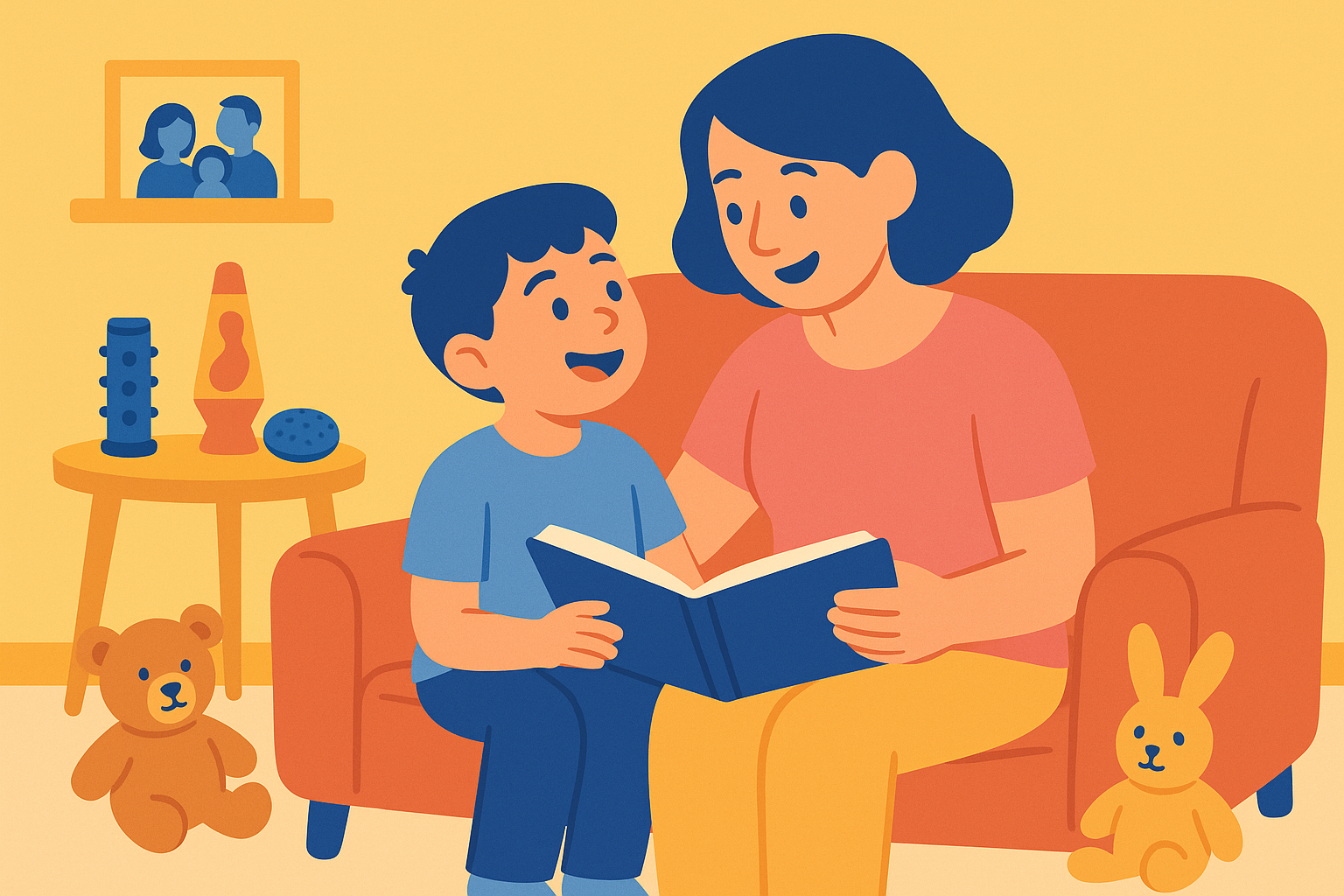
Early Emotional Support for Children in Care: Helping UK Families Understand and Respond
Caring for a child in care can bring a deep sense of responsibility and, at times, real emotional overwhelm. Whether you’re a long-term foster parent, a temporary carer, or supporting a child in your own family through local authority involvement, the emotional and behavioural needs you’re navigating may feel layered and complex. Children entering foster care or residential settings often carry the invisible weight of trauma, uncertainty, and disrupted attachments. Understanding what lies beneath these behaviours—and knowing where you can turn for support—can help create steadier ground for you both. Let’s explore how early emotional support, practical tools, and professional guidance can make all the difference.Understanding Behaviour Through the Lens of Trauma
Imagine being abruptly removed from everything familiar—your home, family, school, and routines. For many children in care, this is the reality. Often, their journey involves abuse, neglect, or chronic instability before entering the care system. These experiences affect how they relate to others, how they cope with frustration, and how they view themselves. You might recognise signs like heightened anxiety, mood shifts, withdrawal, bursts of anger, or refusal to engage. These behaviours are rarely just 'naughty' or defiant—they’re often expressions of fear, sadness, or confusion. Learning to recognise emotional signals as communication can help carers respond with compassion rather than punishment.What Challenges Do Looked-After Children Face?
Children in care (also referred to as ‘looked-after children’ within the UK) often experience multiple placements, leading to disrupted relationships and routines. This kind of instability can make it difficult to build trust or foster emotional resilience.Some commonly reported challenges include:
- Challenges with identity and self-esteem, especially for teenagers
Why Early Emotional Support Matters for Children in Care
The sooner emotional and behavioural concerns are recognised, the sooner children can access the tools they need to heal. Whether it's through therapeutic support, creative expression, or simply consistent routines, even small steps can create meaningful change. In many local authorities, screenings for emotional needs begin as a child enters care—but accessing timely support can still be difficult due to long NHS wait times. This is where platforms like ChildWize can offer help by connecting families with qualified professionals such as child psychologists, SEN specialists, or behaviour therapists for earlier appointments or second opinions. Taking proactive steps early improves a child’s chances of building stronger relationships, managing school transitions better, and feeling more secure.Creating a Stable, Supportive Environment
It’s not just what happens in therapy rooms that shapes outcomes. Children need daily environments that feel predictable, calm, and accepting. You don’t need to be perfect—you just need to be present.Here are some real-world ways you can help:
- Apply for tools that can ease daily life, such as a Blue Badge if your child struggles with mobility, or explore Carer’s Allowance if your role involves significant time and care.