
Back-to-School Routines for ADHD Children: Navigating Changes and Reviews
By ChildWize ·
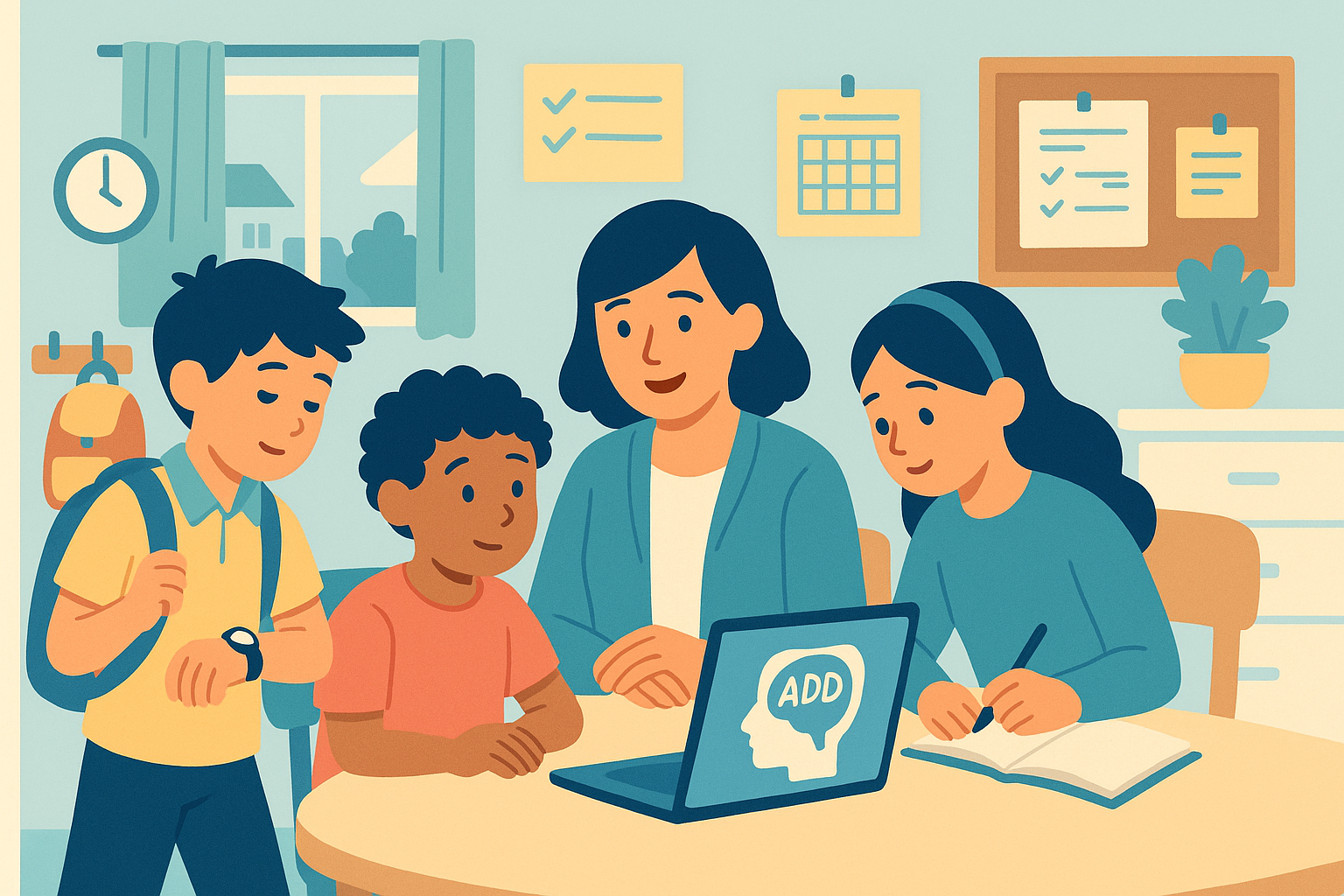
Back-to-School Routines for ADHD Children: Navigating Changes and Reviews
As we step into the back-to-school season, it's not just new pencils and textbooks that need our attention—especially for families with ADHD children. This period marks a critical time for resetting routines and preparing for SEN reviews, making it an ideal time to reassess and refine daily practices that support your child's wellbeing and development. Understanding the unique challenges and pressures of this transition can empower parents to create a supportive environment that caters to additional needs. Let's explore why establishing effective daily routines now can significantly benefit your child and your family throughout the school year.Why This Matters Now
The start of the school year can often bring a mix of emotions for children, particularly those with ADHD. Combined with the impending SEN reviews, it’s crucial to establish a well-structured daily routine that can help minimise stress and enhance stability. Effective routines not only improve behavioural consistency and reduce separation anxiety but also ensure that your child feels more confident and supported in their new school setting. This period also introduces additional interactions with school staff, including teaching assistants, who play a vital role in providing behaviour support and aiding transitions for ADHD children. Establishing clear routines can help these professionals understand and cater to your child's specific needs more effectively.Practical Strategies That Work
Craft a Consistent Morning Routine
1. Start with a calming morning activity such as listening to soothing music or a brief mindfulness exercise. 2. Create a visual schedule that outlines each step of the morning, from brushing teeth to putting on shoes. This can help reduce anxiety and provide a predictable start to the day. 3. Engage with your child in setting up their school bag the night before, checking off items together to ensure everything is ready and accessible. What to expect: While the first few mornings may still feel a bit hectic, gradually, your child will start to feel more in control and less overwhelmed by the process.Implement a Homework and Downtime Balance
1. Identify a specific time and quiet space for homework that's free from distractions. Consistency here is key. 2. Break tasks into smaller, manageable chunks and use timers to help keep your child focused and aware of time. 3. After homework, allow for a period of activity that your child enjoys, which can act as a positive reinforcement and a way to transition from work to relaxation. What to expect: This strategy aids in managing workloads without overwhelming your child and helps in integrating school responsibilities smoothly into home life.Prepare for Bedtime with a Relaxing Routine
1. Limit stimulating activities, such as screen time, at least an hour before bed. 2. Incorporate relaxing activities like reading a book together or discussing the day in a positive, calming manner. 3. Ensure the bedroom environment promotes good sleep—consider soft lighting, comfortable bedding, and a cool room temperature. What to expect: A predictable bedtime routine can significantly reduce bedtime resistance and anxiety, encouraging a good night's sleep vital for next-day focus and behaviour.Planning Ahead
As you ease into these routines and approach the upcoming SEN reviews, take notes on what is working and where you need adjustments. This preparation not only helps you advocate effectively for your child in the reviews but also lays a strong foundation for coping with future transitions, such as moving from term to term or handling holiday breaks.When to Seek Additional Support
While these strategies should provide a framework, each child’s needs are unique. If challenges persist, or if your child displays signs of distress beyond typical transition issues, consider reaching out to your child’s GP or a specialist. Signs that might warrant professional attention include persistent aggression, severe separation anxiety, or an inability to engage in daily activities.Moving Forward
As this school year begins, remember, it's all about taking small, structured steps. Try incorporating one of the routines discussed above and see what a difference it can make. And if you find yourself needing more tailored guidance, don't hesitate to seek support from your child’s school or healthcare professionals. Remember, adapting to what works best for your family is key to supporting your child's development and wellbeing.💡 Need more personalised support for your child?
At ChildWize, we understand that every child's journey is unique. Our resources and guidance can help you navigate the challenges and celebrate the successes along the way.
Related Services
ADHD Assessment & Support
If your child struggles with focus, impulsivity, or restlessness, our specialists can assess and support them without long NHS waits.
Learn more →Educational & SEND Support
Navigating the SEND system can be overwhelming. Our specialists help you understand your child's rights and get the support they need at school.
Learn more →Developmental Assessment
If you are concerned about your child's development, a comprehensive assessment can identify strengths, needs, and the right next steps.
Learn more →