
Parenting Children Resilience: Navigating Post Anti-Bullying Reinforcement Challenges
By ChildWize · ·
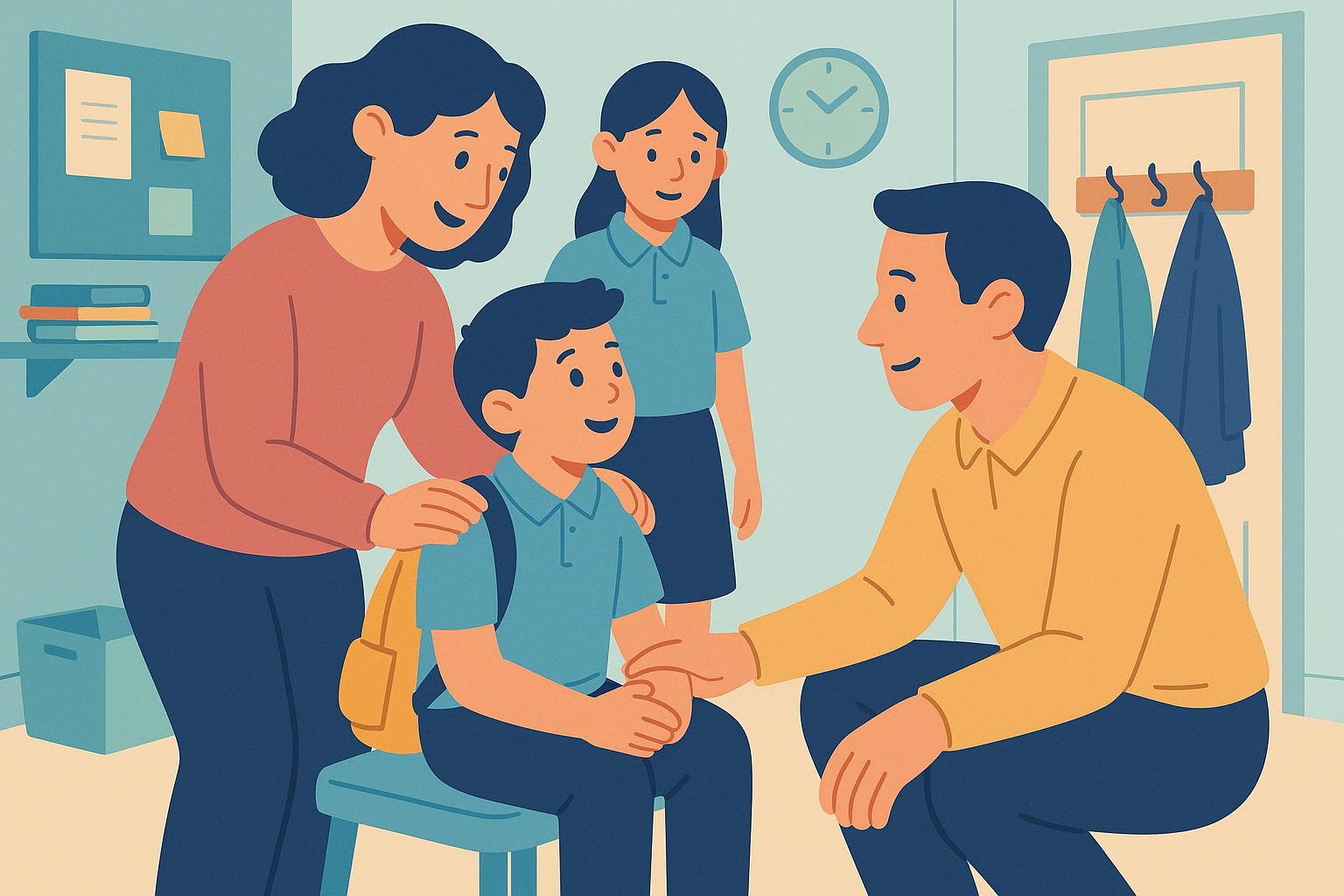
Parenting Children Resilience: Navigating Post Anti-Bullying Reinforcement Challenges
Introduction
As we step into the period following intensive anti-bullying campaigns at schools, it becomes crucial for parents to focus on building and nurturing resilience in their children. The recent initiatives have undoubtedly raised awareness and reduced incidents, but the aftermath can be a delicate time for all children, especially those who've experienced bullying. This article aims to empower parents with strategies and insights on how to support their children's emotional strength and resilience in the wake of these efforts. Understanding and addressing the specific challenges this timing presents will help in cementing the positive impacts of anti-bullying initiatives while ensuring our children develop the resilience needed to navigate future challenges.Why This Matters Now
Post anti-bullying reinforcement is a critical time for children as they adjust to new norms and relationships in their school environment. For those who have been directly affected by bullying, this period can bring up mixed emotions; relief that actions are being taken, yet residual feelings of vulnerability might linger. For parents, understanding how to support their child in building resilience during this phase is essential. It ensures the long-term effectiveness of anti-bullying measures and helps children feel secure and confident in their ability to cope with adversities.Practical Strategies
Facilitate Open Conversations
Encourage your child to share their feelings and experiences about school life openly. This can be initiated by asking open-ended questions that give your child the freedom to express themselves without fear of judgement or immediate solutions. For instance, asking 'How do you feel about the changes at school?' instead of 'Is everything okay at school?' gives your child an opportunity to speak about their feelings in depth. These discussions can help parents gauge their child's emotional state and provide the reassurance or intervention needed.Reinforce Positive Social Interactions
Actively encourage your child to engage in social activities that promote positive interactions, such as team sports, clubs, or group projects. This strategy not only diverts their focus from past negative experiences but also helps them forge new friendships and alliances. Positive reinforcement from peers and structured group activities can significantly boost a child's self-esteem and resilience, helping them to feel more integrated and supported within their school community.Model Resilient Behaviours
Children often learn how to handle challenges by observing adults. Show resilience in your own life, and discuss these experiences with your child. Let them see you managing setbacks with a constructive attitude, seeking help when needed, and celebrating recovery and accomplishments. Sharing your strategies for coping with difficulties can provide practical examples for your children to emulate, reinforcing the resilience skills taught at school post anti-bullying campaigns.Planning Ahead
Looking forward, it's beneficial to continually reinforce these resilience-building practices at home. Regularly participate in school activities and stay engaged with teachers and other parents to monitor the school climate. Setting up a supportive home environment where your child feels safe to express their anxieties and successes helps maintain the resilience developed during this post-anti-bullying period.When to Seek Additional Support
While home strategies are fundamental, there are times when professional support may be necessary. If you notice any signs of regression, such as persistent fear of school, extreme withdrawal from social interactions, or drastic changes in behaviour and mood, these could be signs that additional support is needed. In these cases, it might be beneficial to consult with educational psychologists, counsellors, or your child's school welfare team to ensure that your child receives the appropriate guidance and support.Moving Forward
Building resilience in children post anti-bullying reinforcement is a journey that involves continuous effort and adaptation. By remaining proactive and responsive to your child's needs, you can help them turn the lessons learned from challenging times into profound strength. Continue to celebrate small victories and maintain open lines of communication, ensuring your child knows they have a solid network of support.💡 Need more personalised support for your child?
At ChildWize, we understand that every child's journey is unique. Our resources and guidance can help you navigate the challenges and celebrate the successes along the way.
Related Services
Educational & SEND Support
Navigating the SEND system can be overwhelming. Our specialists help you understand your child's rights and get the support they need at school.
Learn more →Family Therapy & Parent Coaching
Family life can be stressful when a child is struggling. Our therapists help the whole family communicate better and build stronger relationships.
Learn more →